
World News
Wind Energy Company to Pay $8 Million in Killings of 150 Eagles


Business News1 week ago
Nest Lounge Narok Under Scrutiny as KRG The Don Shooting Incident Triggers Government Silence and Maasai Community Outcry

General News4 days ago
South Sudan at the Brink: How Corruption Tightens Its Grip on a Rare Working Institution

Entertainment1 week ago
Chepterit Comes Alive During SportyBet Kenya Gifts Motorbike to Loyal Fans

General News4 days ago
Wantam Protests Hit Ugunja as CS Opiyo Wandayi Loses Support, Youths Invite DCP Led by Rigathi Gachagua
General News4 days ago
Wantam Protests Hit Ugunja as CS Opiyo Wandayi Loses Support, Youths Invite DCP Led by Rigathi Gachagua
General News4 days ago
South Sudan at the Brink: How Corruption Tightens Its Grip on a Rare Working Institution
Entertainment1 week ago
Chepterit Comes Alive During SportyBet Kenya Gifts Motorbike to Loyal Fans
Business News1 week ago
Nest Lounge Narok Under Scrutiny as KRG The Don Shooting Incident Triggers Government Silence and Maasai Community Outcry

Business News2 weeks ago
Why the Sh323.8 Billion Kenya US Health Agreement Is Raising Data Privacy Questions

Entertainment3 weeks ago
Betty Bayo’s Mother Seeks DPP Inquest Over Daughter’s Death

Politics3 weeks ago
Ugunja Women Cry Foul After MP Appointments Snub Them Despite Campaign Support

Sports3 weeks ago
KSh4M Serve! SportyBet Kenya Title Sponsors for Kipchumba Karori Eldoret International Volleyball Tournament

Politics3 weeks ago
Shadrack Maritim Resurfaces in Uganda After Two-Month Disappearance

Politics3 weeks ago
Lilian Akinyi Akech: A Trailblazer Redefining Leadership in Ugunja
-
 Business News1 week ago
Nest Lounge Narok Under Scrutiny as KRG The Don Shooting Incident Triggers Government Silence and Maasai Community Outcry
-
 General News4 days ago
South Sudan at the Brink: How Corruption Tightens Its Grip on a Rare Working Institution
-
 Entertainment1 week ago
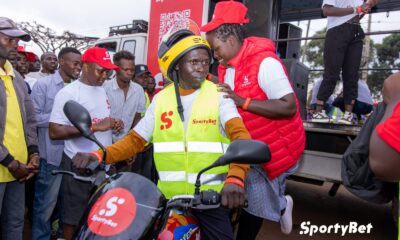
Chepterit Comes Alive During SportyBet Kenya Gifts Motorbike to Loyal Fans
-
 General News4 days ago
Wantam Protests Hit Ugunja as CS Opiyo Wandayi Loses Support, Youths Invite DCP Led by Rigathi Gachagua