
General News
Kenya: Goat Initiative Saving Pregnant Women’s Lives in Laikipia

[ad_1]
For over a decade, Ms Milka Kaparo and Ms Elizabeth Nasipa have been assisting expectant mothers to deliver babies in their homesteads or manyattas.
They are among hundreds of renowned traditional birth attendants in Laikipia North sub-county and their services are in high demand.
But recently, Ms Kaparo and Ms Nasipa were among 95 women who graduated from being traditional birth attendants to traditional birth companions.
This followed a three-day training programme sponsored by the Ministry of Health in Kimanjo village.
Ms Kaparo says a majority of women who underwent female genital mutilation (FGM) in the area are afraid of delivering in healthcare facilities and seek assistance from unskilled traditional birth attendants.
“In some instances, skilled birth attendants in healthcare centres use knives and scissors to ensure that babies are delivered safely with ease. The majority of women who underwent FGM are still stigmatised and afraid to deliver in hospitals,” she says.
Ms Nasipa says more women lose their lives or their children during home delivery compared with women who deliver in hospitals.
“In hospitals, emergency cases are handled professionally and maternal deaths are averted. Deaths in manyattas are a result of a lack of skilled care. We were unable to control excessive bleeding among our patients,” Ms Nasipa says.
The 95 traditional birth companions are now holding sensitisation drives in villages to woo expectant mothers and ensure that they accompany them to the nearest health centres.
Apart from receiving certificates at the graduation ceremony held at Kimanjo Level Four Hospital, each received a goat for every mother they helped to attend antenatal clinics and deliver safely in health facilities.
Mama kit incentive
The ‘goat-for-delivery’ programme, rolled out by Laikipia County First Lady Maria Mbeneka, is an incentive to tap more traditional birth attendants as partners in the fight against maternal deaths.
Over the years, the government has discouraged traditional birth attendants and emphasised that expectant women deliver in health facilities, where they are assisted by skilled birth attendants.
“We have taken that role of issuing a goat to the traditional birth attendants for every mother they take to a healthcare facility for safe delivery. There are some women who have each received 10 goats and this is encouraging,” Ms Mbeneka says.

Sign up for free AllAfrica Newsletters
Get the latest in African news delivered straight to your inbox
“Previously, we had low numbers in Laikipia North in terms of skilled delivery but this programme has had remarkable success. We want our mothers and babies to get quality healthcare.”
Ms Mbeneka has also been donating a ‘mama kit incentive’ in all the 84 health centres.
The kit includes a washing basin and a bag containing essentials for the mother and her newborn.
“Through these incentives, we have had our skilled delivery grow from 42 percent to 75 percent and we are proud of that achievement,” she says.
Dr Josephine Ohas, the acting director of preventive and promotive health in Laikipia, says the monthly target of 16 child deliveries at Kimanjo Level Four Hospital has been surpassed since the beginning of this year.
“We have seen a rise in terms of the numbers of children who are born here as well as those who get fully vaccinated. Any country is judged by maternal and child health,” Ms Ohas says.
[ad_2]
Source link
Comments


Nest Lounge Narok Under Scrutiny as KRG The Don Shooting Incident Triggers Government Silence and Maasai Community Outcry

South Sudan at the Brink: How Corruption Tightens Its Grip on a Rare Working Institution

Chepterit Comes Alive During SportyBet Kenya Gifts Motorbike to Loyal Fans

Wantam Protests Hit Ugunja as CS Opiyo Wandayi Loses Support, Youths Invite DCP Led by Rigathi Gachagua
Wantam Protests Hit Ugunja as CS Opiyo Wandayi Loses Support, Youths Invite DCP Led by Rigathi Gachagua
South Sudan at the Brink: How Corruption Tightens Its Grip on a Rare Working Institution
Chepterit Comes Alive During SportyBet Kenya Gifts Motorbike to Loyal Fans
Nest Lounge Narok Under Scrutiny as KRG The Don Shooting Incident Triggers Government Silence and Maasai Community Outcry

Why the Sh323.8 Billion Kenya US Health Agreement Is Raising Data Privacy Questions

Betty Bayo’s Mother Seeks DPP Inquest Over Daughter’s Death

Ugunja Women Cry Foul After MP Appointments Snub Them Despite Campaign Support

KSh4M Serve! SportyBet Kenya Title Sponsors for Kipchumba Karori Eldoret International Volleyball Tournament

Shadrack Maritim Resurfaces in Uganda After Two-Month Disappearance

Lilian Akinyi Akech: A Trailblazer Redefining Leadership in Ugunja
-
 Business News1 week ago
Nest Lounge Narok Under Scrutiny as KRG The Don Shooting Incident Triggers Government Silence and Maasai Community Outcry
-
 General News4 days ago
South Sudan at the Brink: How Corruption Tightens Its Grip on a Rare Working Institution
-
 Entertainment1 week ago
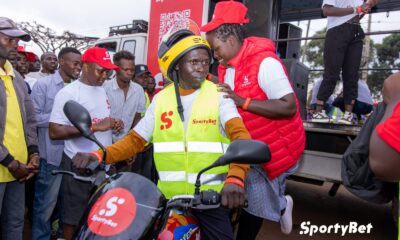
Chepterit Comes Alive During SportyBet Kenya Gifts Motorbike to Loyal Fans
-
 General News4 days ago
Wantam Protests Hit Ugunja as CS Opiyo Wandayi Loses Support, Youths Invite DCP Led by Rigathi Gachagua