Business News
Investing 101: Investing in Index Funds

[ad_1]
Ever heard of index funds? Do you know what they are? Do you know how to invest in index funds or the pros and cons of investing in index funds? If your answer is no to these questions, you are in the right place.
In today’s market, it is very rare to see someone who has not heard of index funds. Index funds are the future and if you are thinking about investing in them, then go for it. With time you will be ecstatic with the decision you made today to invest in index funds. So what’s in it for you when you invest in index funds? Well, there are both pros and cons when you start investing in index funds. The good thing is that even with these pros and cons that we will look into in a minute, index funds are a viable investment for the average investor and you should totally consider it. Investing in it now will be the wisest thing to do, especially with the current rise. Let’s get started.
Is Investing in Index Funds Profitable?
Yes. Investing in index funds is profitable. Index funds are one of the low risk investment options that you can choose today. It is very easy to understand index funds and get started with tracking the performance of market indices. There are many successful investors who speak highly of index funds. This high success rate has led so many people to start investing in index funds. You can make money just by investing in index funds. If you are still having doubts on whether to start investing in index funds or not, I will tell you to totally go for it. You won’t regret it. I will talk about the pros and cons of investing in index funds later in the article.
What are Index Funds and How Do They Work?
Index funds are investment funds that are built to track the performance of a market index. What this means is that they include a number of investments and they tend to be diversified in securities across that index. Index funds are a type of mutual fund or exchange traded fund (ETF) that are made of stocks or bonds that attempt to earn the same return as a particular index. Index funds track the movement of sectors and markets on a daily basis in order to gauge the market’s health and performance. If the predictions are right, you will get money from index funds.
Pros of Investing in Index Funds
These are some of the pros of investing in index funds.
- Less risk. For starters, investing in index funds is quite simple. Since you can include hundreds of stocks and other investments in index funds, you are more likely to invest with less risk. This simple diversification that index funds allow will make it close to impossible for you to suffer any big losses in case a company faces any bad situations.
- Available for a wide variety of investments. This is another advantage of investing in index funds. You can invest in a variety of investment options. You can choose to buy the popular bond or stock index funds or go into the high growth index funds that are more centred on a particular area of the financial market.
- Broad market exposure. Most indexes cover all the key sectors of the economy and their respective relevant stocks. When you invest money in the same proportion, stock as an index makes sure you get a portfolio that is diversified across the sectors. This will reduce the risk as the stocks and the sectors will not go down at the same time. You will also increase the return potential of your index funds on the major sectors you have invested your money in.
- You minimise time spent. This is another benefit of investing in index funds. With index funds, you do not have to spend a lot of time researching stocks. You can use the fund’s portfolio manager to identify the index that has the stocks you want to invest in and start your investment process. This makes it easier to bypass and get into the most part of investment.
- Index funds are an automatic investment. With index funds, you will be using an automated investment process where the fund manager will give you a predefined mandate on how much money is needed and where the money will go. This automatic investment methodology is a good way to instil discipline and confidence that you will get your share in the market.
- No bias investing. Because of the automated investment method that index funds allow, there is less bias and discretion when making investment decisions. If you can make your money “vanish” automatically, then you can reduce any biased investment activity. When the fund manager predefined where your money goes and automates your investment, you will save yourself a lot of effort and it is going to be easier to build accountability.
- You pay less in taxes. Another pro of investing in index funds is that you will pay less in taxes compared to other investment options. Unlike actively managed funds, index funds mostly focus on buying and selling their holdings, thereby no capital gains are generated that will increase your tax bill.
- There is steady growth. Index funds are a very good investment for the long term. They go through a very steady growth, which is good because it increases your index fund return potential. If you are willing to put in your investment for the long term, then investing in index funds is for you.
- Low fees. If you are planning to invest in index funds, then you should do it now. Index funds are one of the last expensive investment options unlike other actively managed funds. With index funds, you do not need a team of research analysts for research or a fund manager to select the stocks. An index fund manager only buys the stocks and they do not need to put their expertise in their portfolio. These are some of the factors that make index funds have overall low fees, therefore less expensive to an investor.
- Dependable performance. Historically, index funds have been very dependable from a performance perspective. Index funds outperform actively managed funds because they are really just tracking how the industry is doing. Indec funds have done really well from a long term perspective because they do not try to predict where things are going or how they are going to do. They are just taking a view of an entire industry or a set of companies.
- Transparency. Another pro of index funds is that you know exactly what type of index fund you bought and you can go and check what is the index. You know what you bought there and there is no over and above on the index funds that you have chosen to invest in.
Cons of Investing in Index Funds
These are the cons of investing in index funds.
- Lack of flexibility. One con of investing in index funds is that you do not get to pick and choose what stocks you want to buy and those that you do not want to buy. For any investor, this is not good because you will end up having stocks you do not want or even miss out on other stocks because of the index you have chosen. This lack of flexibility is a problem facing index fund investors.
- No big gains. The thing about investing in index funds is that you will not get any big financial gains in the early stages of the investment journey. You have to be fully invested in the index funds and pick the right indexes if at all you want to start getting any returns. If you are persistent and consistent, you will start making the big financial gains in the long run.
- Tracking error. A tracking error is the difference between how the index is performing and what your return is. When you are investing in index funds, you will find that your return will always be slightly lower than how the index is performing. Ince that difference is there, you will incur costs. As must as these costs are lowz there are still costs which are going to leave you at a financial loss.
- Lack of downside protection. Another con about investing in index funds is that there is no protection in case of loss arising from risk. Index funds track both the positive and negative trends of the market. If there is any downward trend, your index fund will also suffer the loss. This can be very intimidating to investors who do not want to put a lot on the line.
- No outperformance. Since you are tracking the market, you will never outperform it. Index funds are designed to match the market’s performance so no matter how much of a good investor you are, you cannot prove your capabilities or worth by trying to outperform the market with index funds. It is not possible.
- Management differences. Another con of index funds is that there are management differences when it comes to looking at the different stock values. You have to know what the main management differences are when it comes to looking at the different types of index fund options so that you do not fall for a bad type of index fund. You will save yourself a lot of stress when you do this. You will also invest your index funds effectively.
- Lack of recharge ability. When you are investing in index funds, you have to be aware of the circumstances where stock is going to be overvalued or undervalued. When a stock is overvalued, it will carry more weight than the index. Therefore, do not go ahead and lower your portfolio’s exposure to that stock. You will not be at an advantage here. This lack of recharge ability is very disadvantageous to investors.
- No control over holdings. When you buy an index fund as an investor, you do not have control over the holdings in the portfolio. Lets say you want to invest ina specific bank because you like that company for your own moral of personal reasons. What happens is that when the fund manager is selecting what to build on your portfolio, they will augment your portfolio and add specific stocks that you like. Other components of the index portion left will be totally up to them and not up to you.
- Limited exposure to different strategies. Another con of investing in index funds is that you do not have access to ideas and strategies that can give you better index fund returns. Even with the many strategies available that you can use as an investor, investing in indexes will only give you room for diversification with very few stocks. You have to do your research and come up with a better way to include the best stocks in a good portfolio that is more targeted and one which best suits your needs as an investor.
- Dampened personal satisfaction. Just like any other investment option out there, index funds can keep you up all night trying to see how the market is performing. Being worried about how your index funds will be affected by the economy is something you will encounter a lot in your investment journey. You have to keep yourself motivated and excited about each index fund investment you make if you want to make money in the long run.
Things to Consider When Before Investing in Index Funds
From the pros and cons, if you have decided that you want to invest in index funds, this is what you must consider.
- Risk tolerance. Before you choose to start investing in index funds, ask yourself: are you risk hungry or risk averse? There are a lot of indexes you can choose to invest in. If you are risk hungry, you can go for high growth indexes that have a lot of growth potential and high risk. If you are not risk hungry, you can go for those indexes that target broader market or track well established companies.
- Fees. Before you start investing in index funds, you also have to consider fees. There are costs involved in your index investing and these costs are going to reduce your return. So when you are comparing all the different indexes, compare the costs you are going to be incurring because that’s what will be making all the difference.
- Time horizon. Factoring in time is very important because index investing really is a long term play. You need to make sure that you are in this for the long haul so that you can grasp the benefits you want from index investing.
How Do I Invest in Index Funds?
You ask: how do I start investing in index funds? What are the steps to follow? Well, here is what you have to do to start investing in index funds today.
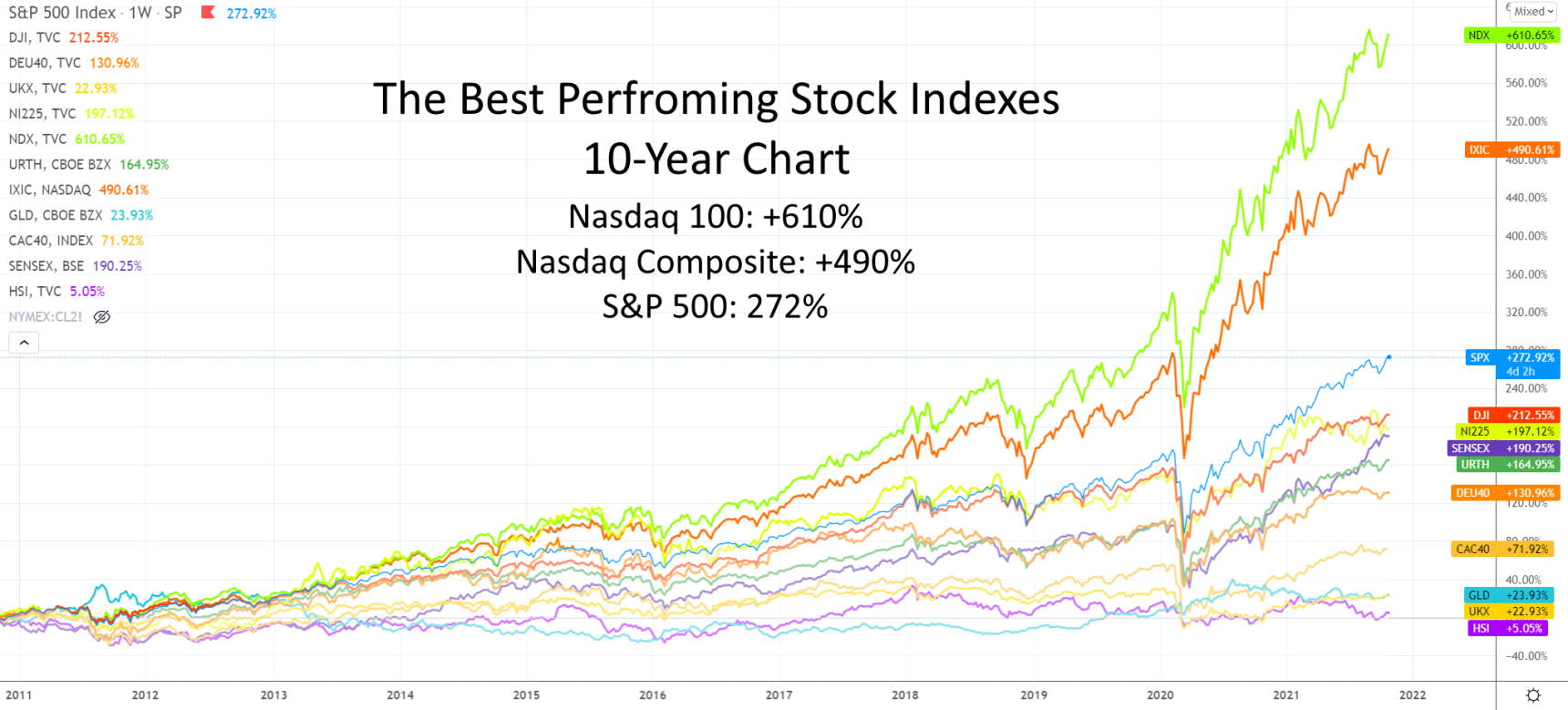
- Pick the index you want to track. There are many indexes you can track using index funds. The most popular index fund is the S&P 500 index that includes 500 of the top companies in the US. It is also quite popular in Kenya, so you can start by checking out what it entails. You can also do your research on other indexes and find out what suits your financial needs. Don’t forget to be thorough about it. The most common indexes include S&P 500, Dow Jone Industrial Average, NASDAQ Composite, FTSE 100 in the UK and the Russell 2000.
- Choose a fund that tracks your selected index. Once you have picked the index you want to track, you have to find at least one index fund that tracks it. If you are going for the popular indexes, you will have a lot of choices of index funds tracking the same index. You also have to be thorough and do your research to choose the best fund to track your indexes. For instance is you want to invest in the S&P 500, here are a number of funds that can give you the exposure Vanguard S&P 500 ETF (VOO), iShares Core S&P 500 ETF(IVV) and SPDR S&P 500 ETF Trust (SPY).
- Buy shares of that index fund. Now it’s time to buy shares in your chosen index fund. You can open an account directly from the mutual fund company that offers the fund. Alternatively, you can install Hisa App and start investing in any of the index funds with ease.
Follow these three steps and you start investing in index funds easily.
Conclusion
If you want to start investing today and you do not know what investment option to try today, why don’t you start investing in index funds? You will reap a lot of benefits and make a lot of money in the long run. Index funds are becoming more popular by the day and a lot of Kenyans have just discovered the pros of investing in this secret goldmine. Just like any other investment, you run a risk of losing your money in case things do not go well. The biggest pro about investing in index funds is that it is at the low risk end of the investment spectrum so you do not have to worry about losing a lot of money when you choose to invest in index funds. However, it is important to know the pros and cons of investing in index funds so that you can make a well informed decision of whether to invest in it or not. I have gone over all the pros and cons you need to know about investing in index funds. I hope you find this helpful and good luck as you start investing in index funds today!
Related:
Investing 101: Stock Market Sectors
Investing in International Markets
[ad_2]
Source link
Comments


SportyBet Powers Vurugu 2 — Nairobi’s Biggest Celebrity Fight Night Lands at Sarit Expo Center on 20 June 2026

Allan Chesang Goons Brutally Attack Standard and K24 Journalists in Cherengany as Corruption Cover-Up Claims Deepen

How the DCI and Kisumu County Officials Shield the Medprime Training College Syndicate While Students Buy Worthless Certificates

How Interior PS Raymond Omollo and Senator Allan Chesang Ran a Sh60 Million Fake Tender Scam

The NSSF Audit Dossier on Mismanaged Billions and Stalled Housing Projects

The Absa Kenya Dossier on Extortion Cartels, Boardroom Purges, and the Million-Dollar Client Hunt

“Enough is Enough”: DP Kindiki Issues Stern Warning to Ruto Critics