
World News
Democrats to Scrutinize Ex-Lobbyist’s Role in Trump’s Arms Sales to Gulf Nations


Sports1 week ago
Beyond Betting: SportyBet Kenya’s Eldoret Tour Transforms Lives and Volleyball Dreams

Business News3 days ago
Benson Gethi The Man Behind the NYS Scandal: How the Gethi Family Profited from Billions Lost

Business News2 days ago
Eldoret Airport Smuggling Expose: Millions Lost as Gadgets Flow Illegally to Ethiopia

Columns And Opinions1 day ago
How Ben Gethi Orchestrated the Ksh 6.2 Billion NYS Scandal the EACC Can No Longer Ignore
Columns And Opinions1 day ago
How Ben Gethi Orchestrated the Ksh 6.2 Billion NYS Scandal the EACC Can No Longer Ignore
Business News2 days ago
Eldoret Airport Smuggling Expose: Millions Lost as Gadgets Flow Illegally to Ethiopia
Business News3 days ago
Benson Gethi The Man Behind the NYS Scandal: How the Gethi Family Profited from Billions Lost
Sports1 week ago
Beyond Betting: SportyBet Kenya’s Eldoret Tour Transforms Lives and Volleyball Dreams

General News2 weeks ago
Exposing the Scandals of James Orengo in Siaya and Lands Ministry.

Politics2 weeks ago
Son of Siaya or Son of Busia? David Ochieng’s Politics of Convenience Exposed

General News2 weeks ago
Roads in Kitutu, Colleges in South Mugirango, Rice and Beans in Nyaribari Chache: Is This MP Zaheer Jhanda’s Version of Development?

General News3 weeks ago
Residents Accuse CDF Officials of KSh 2,000 Bursary Bribes – MP Zaheer Jhanda Under Fire in Nyaribari Chache

General News4 weeks ago
Wantam Protests Hit Ugunja as CS Opiyo Wandayi Loses Support, Youths Invite DCP Led by Rigathi Gachagua

General News4 weeks ago
South Sudan at the Brink: How Corruption Tightens Its Grip on a Rare Working Institution
-
 Sports1 week ago
Beyond Betting: SportyBet Kenya’s Eldoret Tour Transforms Lives and Volleyball Dreams
-
 Business News3 days ago
Benson Gethi The Man Behind the NYS Scandal: How the Gethi Family Profited from Billions Lost
-
 Business News2 days ago
Eldoret Airport Smuggling Expose: Millions Lost as Gadgets Flow Illegally to Ethiopia
-
 Columns And Opinions1 day ago
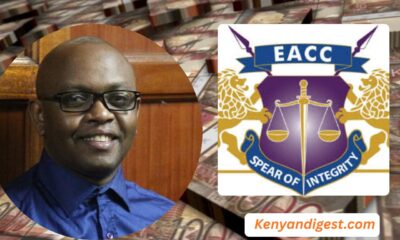
How Ben Gethi Orchestrated the Ksh 6.2 Billion NYS Scandal the EACC Can No Longer Ignore