
Business News
Jobless And Broke, Retirees Are Turning To Loans

[ad_1]
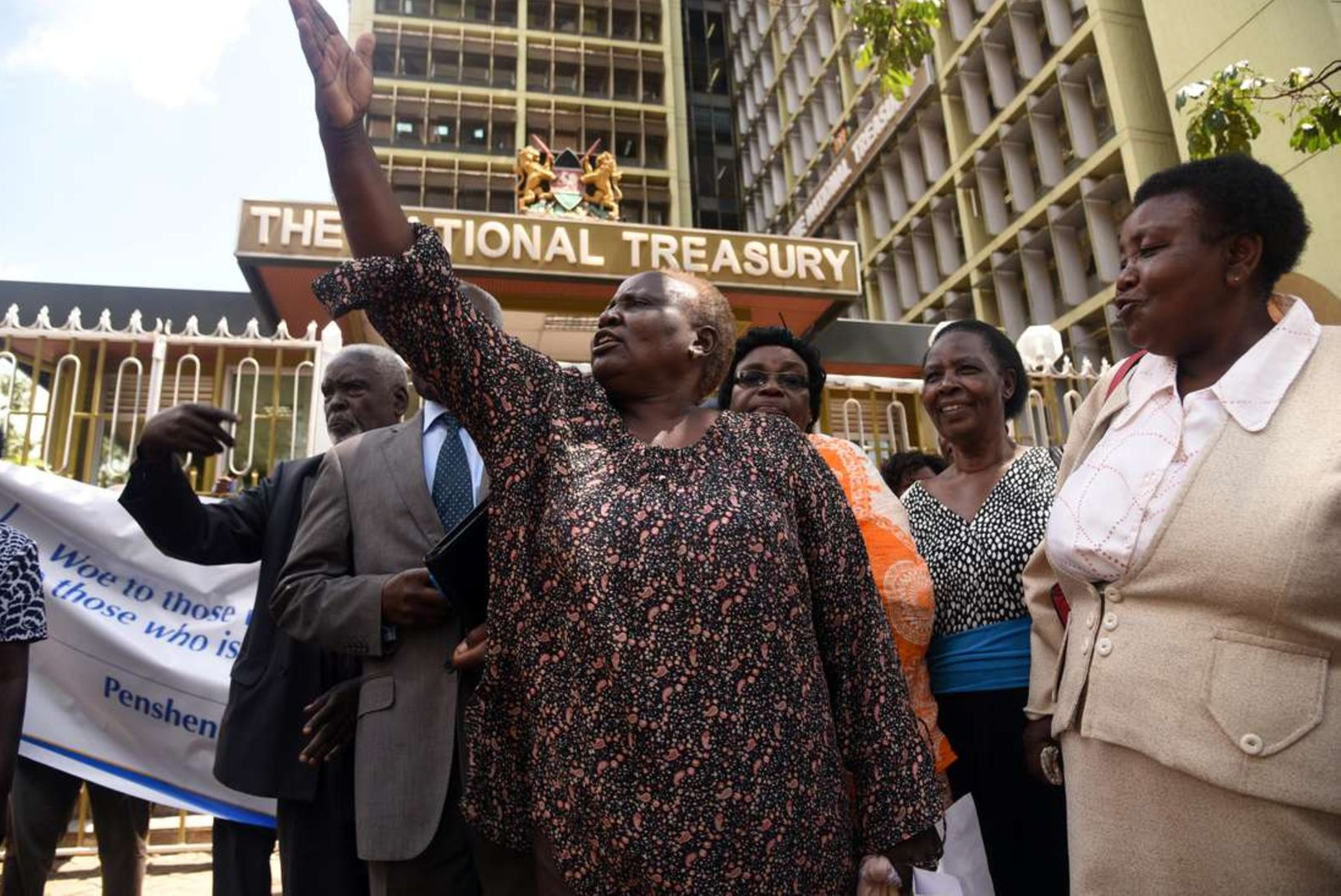
The negative economic effects of Covid-19 have seen many retired Kenyans turn to loans to meet their personal needs, support families and pay for medical expenses. A report released today 2oth May 2021 shows that 60% of retirees saw their expenses increase with 78% of them saying their expenses had grown by 11-50% since the pandemic hit Kenya.
The main reason driving up expenses was the need to support family members who had lost jobs or businesses. To supplement their insufficient retirement income, the pensioners turned to mobile app loans – 26%, commercial banks – 23%, Sacco loans – 14%, Chamas – 3% and other sources. The repayments and high interest rates have put a strain on their financial and mental wellbeing.
The research conducted by pensions administrator, Enwealth Financial Services and Strathmore University, sought to establish the effect of Covid-19 on financial and general well-being of retirees in Kenya. It targeted pensioners from various schemes – 49% of respondents were between 61-70 years, 35% between 51 and 60 years and the rest either below 50 or above 70 years.
Another finding was that 41% of the retirees had to pay cash for their medical bills, only 32% having medical insurance and 20% used National Hospital Insurance Fund (NHIF).
“There is a call for Retirement Benefits Schemes to come up with Post-Retirement Medical funds, where members voluntarily contribute for medical insurance in their post-retirement years. This would help the retirees who are highly vulnerable to diseases, especially at such a time when there is a pandemic,” the report reads.
On a positive note, many of the retirees indicated they had invested the money accessed at retirement, with 57% of them saying they had additional sources of income. The most common sources were farming, rental income, business, consultancy, lecturing and dividends.
See >> Flexible Investment Promises High Returns For Retirees
“The highest number of respondents, up to 34%, said they had invested in farming. It is interesting that retirees form a significant portion of the population that is driving the food security agenda in the country,” noted Lydia Wamalwa, Business Development and Training Officer at Enwealth Financial Services while presenting the report during a forum held online.
RELATED >> FULL REPORT ON THE EFFECT OF COVID-19 ON RETIREES
The financial challenges brought about by the pandemic will also affect future retirees. Individual pension schemes experienced a surge in withdrawals, reduced contribution rates, which in the long run will lower the income replacement ratios, putting future retirees at risk of lower standards of living, prolonged years in the workforce and taking riskier investments to increase the returns.
The Enwealth and Strathmore team says new rules and guidelines should be put in place on the taxation framework to cushion retirees, on top of what already exists. They also suggest that the National Treasury should set up a separate emergency kitty for cushioning the less fortunate and elderly.
The kitty should have an annual budget allocation and a well-defined investment structure which will see the growth of the funds. This would also help to reduce on the national debt liability.
Read >> They Worked As Rich Guys, Now They Are So Broke
[ad_2]
Source link
Comments


Nest Lounge Narok Under Scrutiny as KRG The Don Shooting Incident Triggers Government Silence and Maasai Community Outcry

South Sudan at the Brink: How Corruption Tightens Its Grip on a Rare Working Institution

Chepterit Comes Alive During SportyBet Kenya Gifts Motorbike to Loyal Fans

Wantam Protests Hit Ugunja as CS Opiyo Wandayi Loses Support, Youths Invite DCP Led by Rigathi Gachagua
Wantam Protests Hit Ugunja as CS Opiyo Wandayi Loses Support, Youths Invite DCP Led by Rigathi Gachagua
South Sudan at the Brink: How Corruption Tightens Its Grip on a Rare Working Institution
Chepterit Comes Alive During SportyBet Kenya Gifts Motorbike to Loyal Fans
Nest Lounge Narok Under Scrutiny as KRG The Don Shooting Incident Triggers Government Silence and Maasai Community Outcry

Why the Sh323.8 Billion Kenya US Health Agreement Is Raising Data Privacy Questions

Betty Bayo’s Mother Seeks DPP Inquest Over Daughter’s Death

Ugunja Women Cry Foul After MP Appointments Snub Them Despite Campaign Support

KSh4M Serve! SportyBet Kenya Title Sponsors for Kipchumba Karori Eldoret International Volleyball Tournament

Shadrack Maritim Resurfaces in Uganda After Two-Month Disappearance

Lilian Akinyi Akech: A Trailblazer Redefining Leadership in Ugunja
-
 Business News6 days ago
Nest Lounge Narok Under Scrutiny as KRG The Don Shooting Incident Triggers Government Silence and Maasai Community Outcry
-
 General News19 hours ago
South Sudan at the Brink: How Corruption Tightens Its Grip on a Rare Working Institution
-
 Entertainment5 days ago
Chepterit Comes Alive During SportyBet Kenya Gifts Motorbike to Loyal Fans
-
 General News17 hours ago
Wantam Protests Hit Ugunja as CS Opiyo Wandayi Loses Support, Youths Invite DCP Led by Rigathi Gachagua