
World News
Paul Greengard, Nobel Prize-Winning Neuroscientist, Dies at 93


General News5 days ago
UDA Politician Arrested Over Sixty Million Shilling Fake Tender Scam at the Office of the President
Jobs5 days ago
National Youth Service Officially Launches 2026 Nationwide Recruitment Exercise for Kenyan Youth

Business News18 hours ago
The Absa Kenya Dossier on Extortion Cartels, Boardroom Purges, and the Million-Dollar Client Hunt

Politics3 days ago
Why CS Opiyo Wandayi is Losing the Siaya Power War to Governor Orengo

General News17 hours ago
The NSSF Audit Dossier on Mismanaged Billions and Stalled Housing Projects

Politics2 days ago
“Enough is Enough”: DP Kindiki Issues Stern Warning to Ruto Critics

General News14 hours ago
How the DCI and Kisumu County Officials Shield the Medprime Training College Syndicate While Students Buy Worthless Certificates

General News15 hours ago
How Interior PS Raymond Omollo and Senator Allan Chesang Ran a Sh60 Million Fake Tender Scam

General News9 hours ago
Allan Chesang Goons Brutally Attack Standard and K24 Journalists in Cherengany as Corruption Cover-Up Claims Deepen
General News9 hours ago
Allan Chesang Goons Brutally Attack Standard and K24 Journalists in Cherengany as Corruption Cover-Up Claims Deepen
General News14 hours ago
How the DCI and Kisumu County Officials Shield the Medprime Training College Syndicate While Students Buy Worthless Certificates
General News15 hours ago
How Interior PS Raymond Omollo and Senator Allan Chesang Ran a Sh60 Million Fake Tender Scam
General News17 hours ago
The NSSF Audit Dossier on Mismanaged Billions and Stalled Housing Projects
Business News18 hours ago
The Absa Kenya Dossier on Extortion Cartels, Boardroom Purges, and the Million-Dollar Client Hunt
Politics2 days ago
“Enough is Enough”: DP Kindiki Issues Stern Warning to Ruto Critics
Politics3 days ago
Why CS Opiyo Wandayi is Losing the Siaya Power War to Governor Orengo
General News5 days ago
UDA Politician Arrested Over Sixty Million Shilling Fake Tender Scam at the Office of the President
Jobs5 days ago
National Youth Service Officially Launches 2026 Nationwide Recruitment Exercise for Kenyan Youth

Tech2 months ago
Xiaomi Unveils REDMI Note 15 Series: REDMI Titan Durability Meets Advanced Imaging
-
General News5 days ago
UDA Politician Arrested Over Sixty Million Shilling Fake Tender Scam at the Office of the President
-
Jobs5 days ago
National Youth Service Officially Launches 2026 Nationwide Recruitment Exercise for Kenyan Youth
-
 Business News18 hours ago
The Absa Kenya Dossier on Extortion Cartels, Boardroom Purges, and the Million-Dollar Client Hunt
-
 Politics3 days ago
Why CS Opiyo Wandayi is Losing the Siaya Power War to Governor Orengo
-
 General News17 hours ago
The NSSF Audit Dossier on Mismanaged Billions and Stalled Housing Projects
-
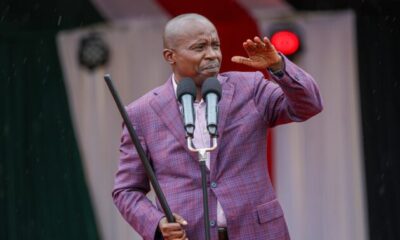 Politics2 days ago
“Enough is Enough”: DP Kindiki Issues Stern Warning to Ruto Critics
-
 General News14 hours ago
How the DCI and Kisumu County Officials Shield the Medprime Training College Syndicate While Students Buy Worthless Certificates
-
 General News15 hours ago
How Interior PS Raymond Omollo and Senator Allan Chesang Ran a Sh60 Million Fake Tender Scam