
General News
South Sudan at the Brink: How Corruption Tightens Its Grip on a Rare Working Institution

South Sudan corruption has long hollowed out public institutions, but the latest developments inside the country’s civil aviation sector signal a far more dangerous turn. One of the few state bodies that had shown discipline, reform, and measurable progress is now facing political capture.
At stake is not only public money but also aviation safety, investor confidence, and control of sovereign airspace. This investigation reveals how elite interference now threatens to undo years of hard-won reform inside the South Sudan Civil Aviation Authority.
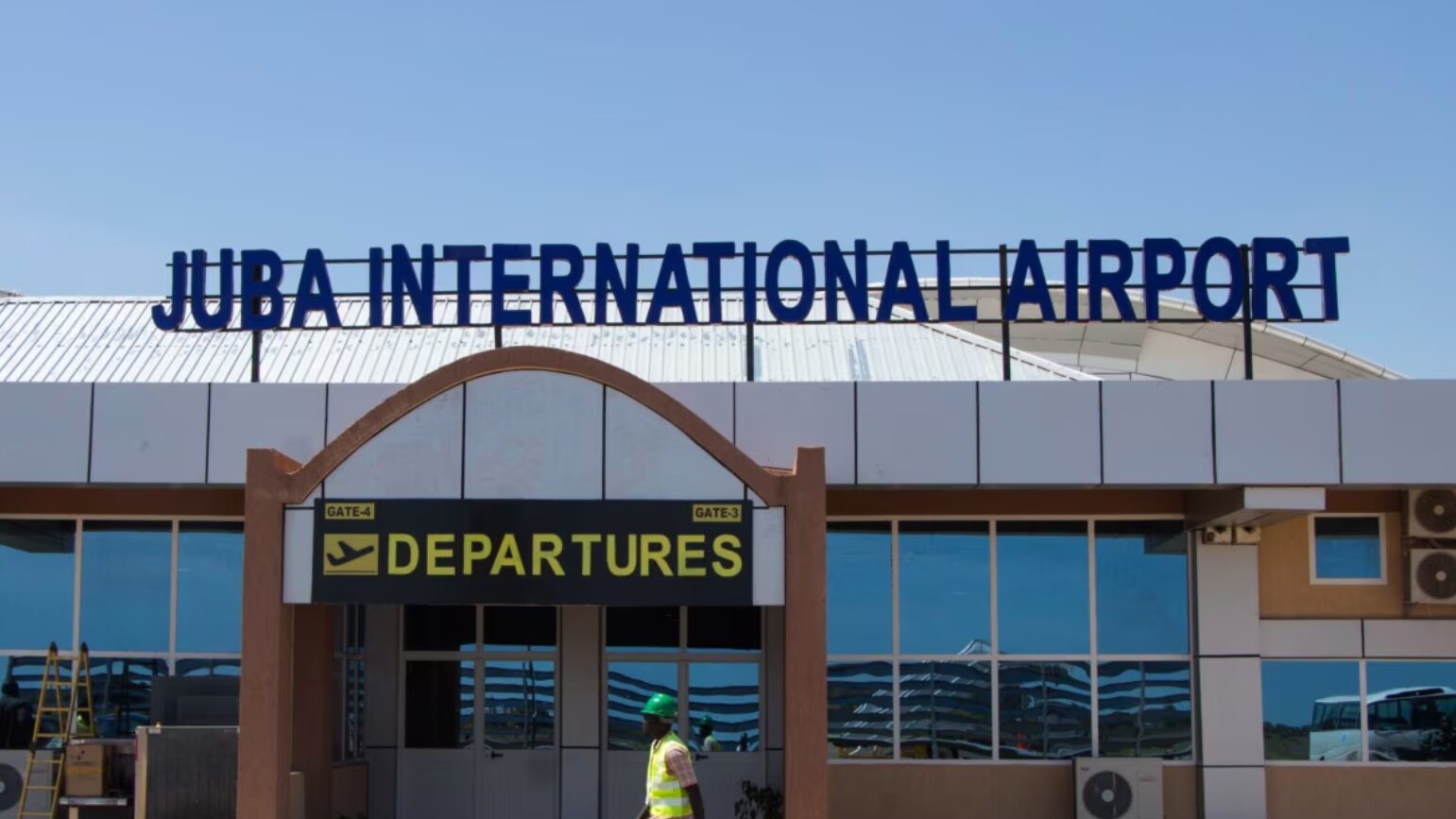
South Sudan corruption now endangers a rare success story, proving that without political restraint, even strong institutions can quickly collapse under elite interference. [Photo/Screengrab]
How South Sudan Corruption Is Undermining Civil Aviation Reform
South Sudan is routinely ranked among the world’s most fragile and corruption-ridden states. Nearly three quarters of its citizens live below the poverty line, food insecurity affects close to half the population, and basic services remain scarce more than a decade after independence. International reports consistently describe a system where public institutions are treated less as service providers and more as revenue streams for politically connected elites.
Within this bleak national picture, the South Sudan Civil Aviation Authority stood out. While many agencies collapsed under mismanagement, the SSCAA embarked on reforms that aligned with international aviation standards and development best practice. These changes were not cosmetic. They went to the heart of how money is collected, protected, and spent in a high-risk, safety-critical sector.
Under former Director Generals Captain John Subek Dada and later Dr John Woja Elinana, the authority adopted a public private partnership model for air navigation services. Aviation revenues were ring-fenced through an escrow account based in the United Arab Emirates, insulating funds from day-to-day political interference. Expenditure was restricted strictly to safety oversight, infrastructure, and regulatory capacity.
The impact was immediate. Staff salaries were paid on time. Safety systems improved. Development of navigation and oversight infrastructure moved forward. International partners, including ICAO-aligned bodies, began to cautiously rebuild confidence in South Sudan’s aviation governance. For a fragile state, this kind of firewalled institutional design is widely regarded as a gold standard.
A Sudden Leadership Change Raises Alarm
That progress now hangs in the balance. In mid December, just days before a critical ICAO meeting on the potential handover of sovereign airspace, Dr John Woja Elinana was abruptly removed as Director General. His replacement, according to multiple aviation and governance sources, has no background in aviation regulation, air navigation services, or public private partnership management.
The appointment is widely viewed within the sector as politically driven. The new leadership reportedly owes its position to family and political connections at the highest levels of government rather than technical competence. This comes despite Dr Elinana’s recent appointment as chair of the EAC CASSOA Board, a regional recognition of his reform credentials.
In aviation, leadership is not symbolic. Decisions made at the top directly affect safety oversight, revenue protection, and compliance with international standards. Replacing experienced technical leadership with politically connected management is widely seen as a red flag, especially in a country with a long record of elite capture.
The Risks to Safety, Revenue, and Sovereign Airspace
The greatest danger lies in the integrity of the existing PPP and escrow arrangements. These mechanisms only work when protected from interference. With politically connected leadership in place, there are growing fears that ring-fenced air navigation revenues could be redirected, escrow controls weakened, and commercial partners sidelined.
Such moves would have immediate consequences. Investor confidence would collapse. ICAO credibility assessments could be jeopardized. Most critically, South Sudan’s long-standing ambition to regain full control of its sovereign airspace, currently delegated to Sudan, could be delayed indefinitely.
Sources within the aviation and development community also point to emerging pressure from private entities with political ties seeking access to aviation and wider government revenue streams. If these interests succeed in dismantling existing safeguards, the SSCAA risks becoming just another captured institution in a country where corruption has already crippled service delivery.
What This Means Beyond South Sudan
The implications of South Sudan Corruption in aviation extend far beyond Juba. For African regulators, development banks, and PPP investors, this case sends a troubling message. If a demonstrably effective governance model can be overturned overnight by political intervention, risk premiums will rise across fragile states.
Aviation is a multiplier sector. It underpins trade, humanitarian access, regional integration, and emergency response. Governance failure here does not only waste money. It creates real safety risks and isolates already vulnerable populations. That is why international bodies often view aviation oversight as a litmus test for broader state capacity.
South Sudan’s experience now reinforces a hard lesson. Institutional reform cannot survive on technical design alone. Without political protection, even the best systems remain vulnerable to predation when real money and strategic assets are involved.
A Final Warning on South Sudan Corruption
The unraveling of reforms at the South Sudan Civil Aviation Authority is not merely an internal staffing dispute. It is a warning about how quickly progress can be reversed when competence is sacrificed for control. Years of careful institution building now face erosion at a moment when trust, safety, and sovereignty are most critical.
South Sudan Corruption has already cost the country dearly in lives, livelihoods, and lost opportunity. Allowing one of its few functional institutions to fall into the same trap would deepen that damage. The question now is whether regional partners, development actors, and domestic stakeholders will speak out before aviation reform joins the long list of failed promises.
Comments


Son of Siaya or Son of Busia? David Ochieng’s Politics of Convenience Exposed

Roads in Kitutu, Colleges in South Mugirango, Rice and Beans in Nyaribari Chache: Is This MP Zaheer Jhanda’s Version of Development?

Exposing the Scandals of James Orengo in Siaya and Lands Ministry.

Beyond Betting: SportyBet Kenya’s Eldoret Tour Transforms Lives and Volleyball Dreams
Beyond Betting: SportyBet Kenya’s Eldoret Tour Transforms Lives and Volleyball Dreams
Exposing the Scandals of James Orengo in Siaya and Lands Ministry.
Son of Siaya or Son of Busia? David Ochieng’s Politics of Convenience Exposed
Roads in Kitutu, Colleges in South Mugirango, Rice and Beans in Nyaribari Chache: Is This MP Zaheer Jhanda’s Version of Development?

Residents Accuse CDF Officials of KSh 2,000 Bursary Bribes – MP Zaheer Jhanda Under Fire in Nyaribari Chache

Wantam Protests Hit Ugunja as CS Opiyo Wandayi Loses Support, Youths Invite DCP Led by Rigathi Gachagua

South Sudan at the Brink: How Corruption Tightens Its Grip on a Rare Working Institution

Chepterit Comes Alive During SportyBet Kenya Gifts Motorbike to Loyal Fans

Nest Lounge Narok Under Scrutiny as KRG The Don Shooting Incident Triggers Government Silence and Maasai Community Outcry

Why the Sh323.8 Billion Kenya US Health Agreement Is Raising Data Privacy Questions
-
 Politics7 days ago
Son of Siaya or Son of Busia? David Ochieng’s Politics of Convenience Exposed
-
 General News7 days ago
Roads in Kitutu, Colleges in South Mugirango, Rice and Beans in Nyaribari Chache: Is This MP Zaheer Jhanda’s Version of Development?
-
 General News5 days ago
Exposing the Scandals of James Orengo in Siaya and Lands Ministry.
-
 Sports1 hour ago
Beyond Betting: SportyBet Kenya’s Eldoret Tour Transforms Lives and Volleyball Dreams