
General News
High Court Blocks Oigara Bank Fraud Probe as Stanbic CEO Escapes Questioning

The High Court has stopped investigators from questioning Stanbic Bank CEO Joshua Oigara over millions of shillings deposited into an airline account and later reversed. The ruling has raised serious questions about accountability in Kenya’s banking sector.
At the center of the storm sits a powerful banker accused by critics of hiding behind legal tactics and institutional muscle. The decision shields Oigara and senior Stanbic officials from scrutiny, at least for now. To many observers, the case reflects how elite banking knowledge can frustrate justice and enable white-collar abuse.
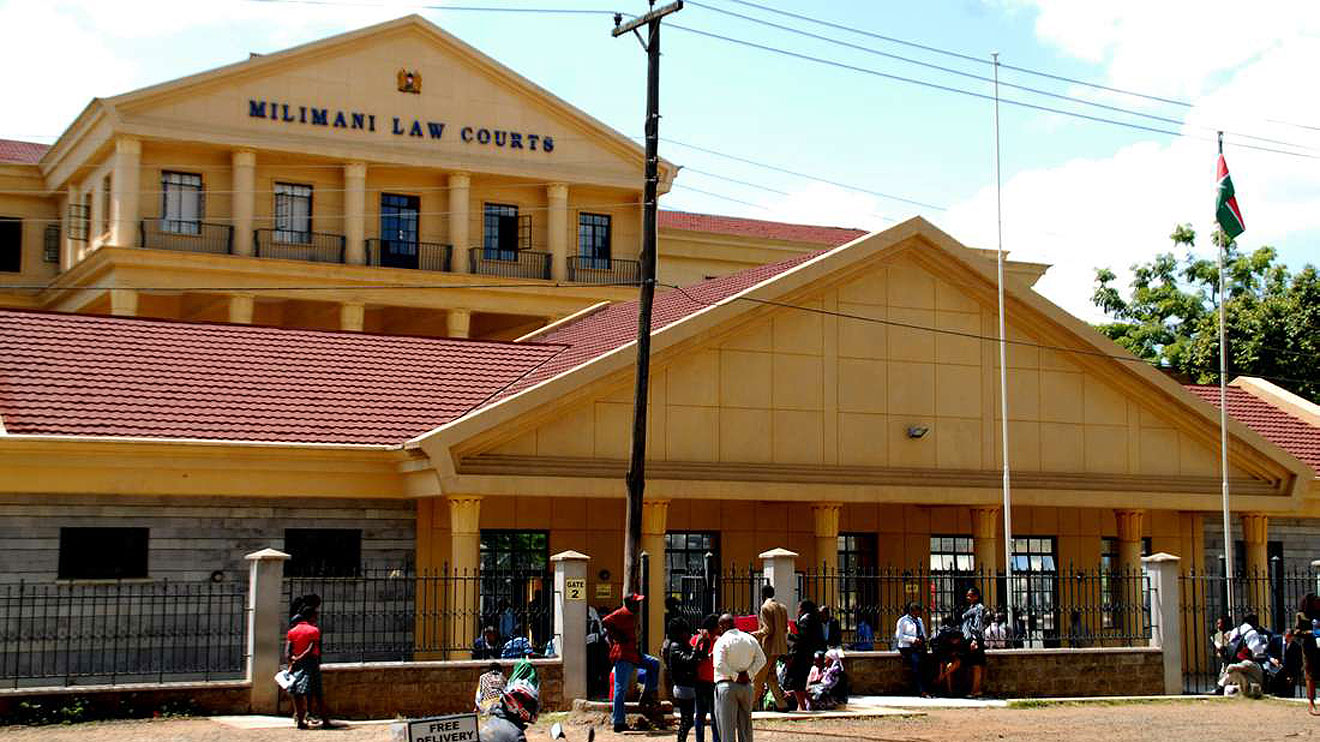
The Oigara Bank Fraud case tests whether Kenya’s justice system can confront powerful bankers or continue allowing legal maneuvers to delay scrutiny and weaken public trust. [Photo//Courtesy]
How the Court Order Shields Oigara Bank Fraud Questions
Justice Bahati Mwamuye issued orders barring the Banking Fraud Investigations Unit from questioning Joshua Oigara or any Stanbic Bank employee. The court also stopped the Director of Public Prosecutions from filing criminal charges against Oigara, Stanbic directors, or staff.
The orders remain in force until the court hears and determines a petition filed by Stanbic Bank. That petition seeks to block investigations tied to millions deposited into Air Afrik Aviation Ltd’s account and later reversed under unclear circumstances.
Stanbic argues that investigators are overstepping. Through lawyer Hiram Nyabui, the bank told the court that the dispute already sits before the High Court. The lender claims that criminal investigations would interfere with an ongoing civil process.
The bank also alleged that police officers stationed themselves at its offices with plans to arrest senior officials. Stanbic warned that such arrests would render its petition meaningless. The court accepted this argument at an interim stage and granted temporary protection.
Justice Mwamuye set December 10 as the mention date for further directions. Until then, investigators must stay away from Oigara and his team.
To critics, the ruling highlights a familiar pattern. Powerful corporate actors often rush to court, secure protective orders, and freeze probes before facts come out. In cases involving financial elites, process becomes a shield rather than a path to truth.
Oigara Bank Fraud Claims and the Use of Banking Power
Joshua Oigara understands the banking system deeply. He has run major financial institutions and knows how regulatory lines blur between civil disputes and criminal liability. Critics argue that this knowledge now works to his advantage.
By framing the matter as a commercial dispute, Stanbic shifts focus away from potential criminal responsibility. The argument suggests that reversed deposits fall within private banking disagreements. That framing blocks fraud investigators, who normally examine intent, authorization, and internal controls.
This strategy does not prove guilt. However, it raises concerns about unequal treatment. Ordinary account holders rarely stop fraud units through constitutional petitions. Senior bankers, by contrast, can mobilize top lawyers and move courts quickly.
The Oigara Bank Fraud controversy exposes this imbalance. When courts halt questioning at an early stage, investigators lose momentum. Evidence goes cold. Witnesses hesitate. Public confidence drops.
Critics also note that restraining the DPP before charges exist sets a troubling precedent. It suggests that powerful executives can pre-empt accountability by claiming harassment, even before investigators complete their work.
Airline Deposits and the Core Dispute
The dispute involves Air Afrik Aviation Ltd, whose account received millions later reversed by Stanbic Bank. The airline wants investigators to examine how and why that reversal happened.
Air Afrik managing director Eric Lugalia urged the court to allow the DCI to proceed. He argued that innocent parties should have nothing to fear from questioning. His position challenges the idea that investigations equal guilt.
The airline sees the matter as more than a banking disagreement. It views the reversal as a possible abuse of banking systems that warrants criminal scrutiny.
Why the Ruling Fuels White Collar Crime Fears
The temporary orders feed a wider fear about white collar crime. Financial crimes often rely on complexity, hierarchy, and delay. Those tools help insiders avoid exposure.
When courts block investigators, even briefly, they reinforce the belief that elites operate under different rules. The Oigara Bank fraud debate now sits at the heart of that concern.
The case does not declare Joshua Oigara guilty. It does, however, show how power, expertise, and timing can stall accountability. As the court prepares to hear the petition, the public will watch closely. The outcome will signal whether Kenya’s justice system can balance corporate rights with the urgent need to investigate alleged financial wrongdoing.
Comments




Allan Chesang Goons Brutally Attack Standard and K24 Journalists in Cherengany as Corruption Cover-Up Claims Deepen

How the DCI and Kisumu County Officials Shield the Medprime Training College Syndicate While Students Buy Worthless Certificates

How Interior PS Raymond Omollo and Senator Allan Chesang Ran a Sh60 Million Fake Tender Scam

The NSSF Audit Dossier on Mismanaged Billions and Stalled Housing Projects

The Absa Kenya Dossier on Extortion Cartels, Boardroom Purges, and the Million-Dollar Client Hunt

“Enough is Enough”: DP Kindiki Issues Stern Warning to Ruto Critics

Why CS Opiyo Wandayi is Losing the Siaya Power War to Governor Orengo
UDA Politician Arrested Over Sixty Million Shilling Fake Tender Scam at the Office of the President
National Youth Service Officially Launches 2026 Nationwide Recruitment Exercise for Kenyan Youth
