
Columns And Opinions
How Ben Gethi Orchestrated the Ksh 6.2 Billion NYS Scandal the EACC Can No Longer Ignore

The National Youth Service scandal did not reappear by coincidence.
In January 2026, the Ethics and Anti-Corruption Commission moved to block a KSh 6.2 billion payment claim linked to companies associated with Ben Gethi.
The claim relied on procurement documents originating from the 2013 to 2016 period, despite multiple investigations that had previously flagged that era as compromised.
The attempt to revive these claims raises a critical question.
How do disputed contracts from a decade ago return as active payment demands within government systems?
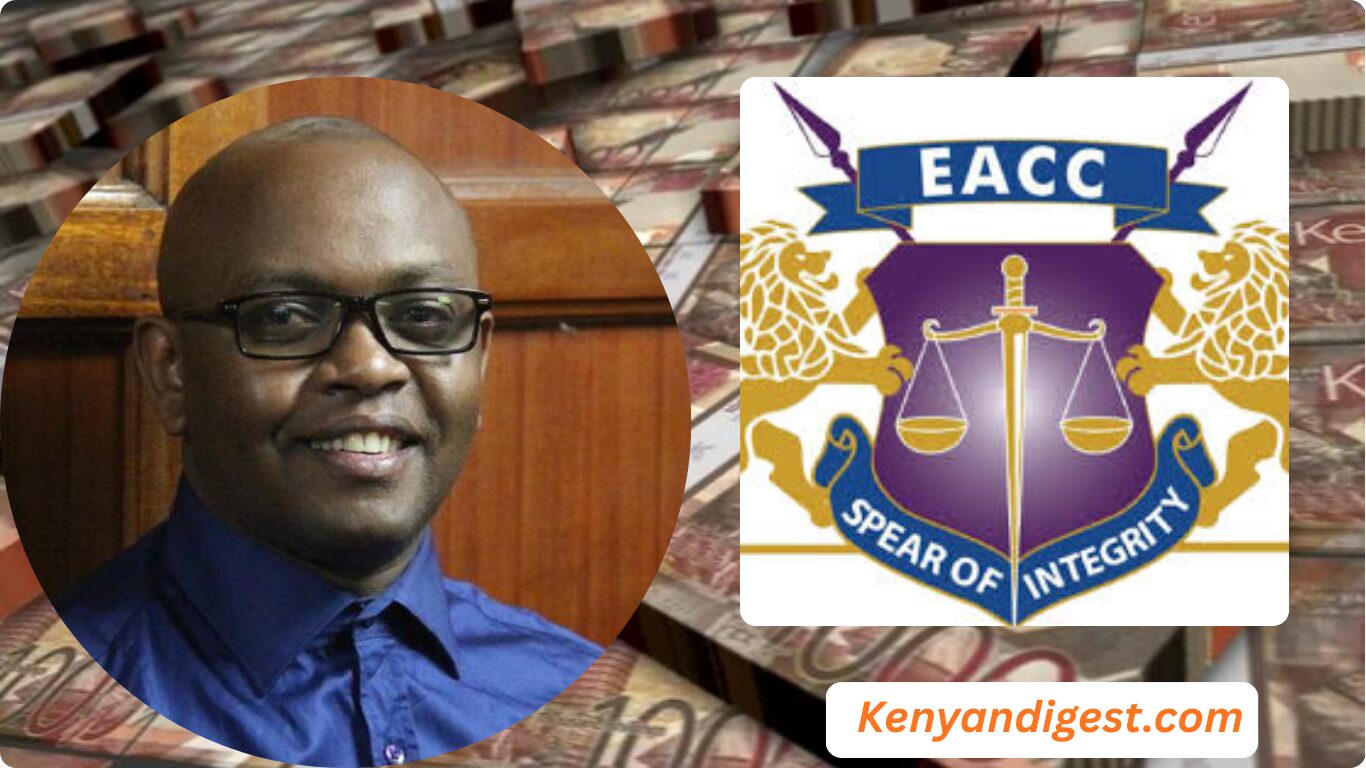
Ben Gethi, whose name has resurfaced in a renewed Ksh 6.2 billion NYS ghost supply claim, as questions mount over whether the EACC will finally act.
The Mechanics of a System That Enables Fraud
Investigators allege that companies linked to Gethi billed the government for fuel, food supplies, boots, and industrial equipment that NYS never received.
The network used forged local purchase orders and fabricated goods received notes to justify payment.
Internal approvals followed despite the absence of physical deliveries.
Former officials signed off on the documentation.
Payment processing continued without verification. The process did not collapse under pressure. It functioned as designed.
Food supplies formed a central part of the claims. Maize, beans, and cooking oil allowed the scheme to pass undetected for years.
These commodities move quickly and leave limited audit trails. By the time investigators returned to the records, physical verification had become impossible.
The consequences extended beyond financial loss.
Legitimate farmers who supplied produce to government stores remained unpaid. Ghost suppliers replaced real participants in the supply chain.
Protection, Accountability, and Institutional Failure
Ben Gethi’s name has appeared repeatedly in National Youth Service investigations over the years, yet none of those cases ever reached a decisive conclusion.
Several stalled or collapsed after investigative agencies produced conflicting reports or failed to meet procedural thresholds, leaving critical questions unanswered.
Each collapse reinforced public suspicion that the network behind the scandal enjoyed protection within the system.
The renewed attempt in 2026 to secure a Ksh 6.2 billion payment only deepens those concerns.
A claim of that scale does not advance through government systems by accident.
Officials reviewed the documents, payment systems accepted the vouchers, and oversight mechanisms failed at multiple stages.
At every point where the process should have stopped, it moved forward instead.
The Ethics and Anti-Corruption Commission has now sought a permanent injunction to prevent the payment, describing the vouchers as products of a coordinated criminal enterprise.
While the move signals a more aggressive stance, it also exposes institutional weakness.
In a functioning system, fraudulent claims are rejected at the verification stage, not challenged years later in court.
This case extends far beyond one individual.
It reveals a procurement framework that allows old frauds to resurface under new administrative cover, long after the public has moved on.
Until accountability reaches both the beneficiaries and those who enable them within the state, the NYS scandal will remain unfinished business.
Read More: Benson Gethi The Man Behind the NYS Scandal: How the Gethi Family Profited from Billions Lost
Comments


Beyond Betting: SportyBet Kenya’s Eldoret Tour Transforms Lives and Volleyball Dreams

Benson Gethi The Man Behind the NYS Scandal: How the Gethi Family Profited from Billions Lost

Eldoret Airport Smuggling Expose: Millions Lost as Gadgets Flow Illegally to Ethiopia

How Ben Gethi Orchestrated the Ksh 6.2 Billion NYS Scandal the EACC Can No Longer Ignore
How Ben Gethi Orchestrated the Ksh 6.2 Billion NYS Scandal the EACC Can No Longer Ignore
Eldoret Airport Smuggling Expose: Millions Lost as Gadgets Flow Illegally to Ethiopia
Benson Gethi The Man Behind the NYS Scandal: How the Gethi Family Profited from Billions Lost
Beyond Betting: SportyBet Kenya’s Eldoret Tour Transforms Lives and Volleyball Dreams

Exposing the Scandals of James Orengo in Siaya and Lands Ministry.

Son of Siaya or Son of Busia? David Ochieng’s Politics of Convenience Exposed

Roads in Kitutu, Colleges in South Mugirango, Rice and Beans in Nyaribari Chache: Is This MP Zaheer Jhanda’s Version of Development?

Residents Accuse CDF Officials of KSh 2,000 Bursary Bribes – MP Zaheer Jhanda Under Fire in Nyaribari Chache

Wantam Protests Hit Ugunja as CS Opiyo Wandayi Loses Support, Youths Invite DCP Led by Rigathi Gachagua

South Sudan at the Brink: How Corruption Tightens Its Grip on a Rare Working Institution
-
 Sports7 days ago
Beyond Betting: SportyBet Kenya’s Eldoret Tour Transforms Lives and Volleyball Dreams
-
 Business News2 days ago
Benson Gethi The Man Behind the NYS Scandal: How the Gethi Family Profited from Billions Lost
-
 Business News4 hours ago
Eldoret Airport Smuggling Expose: Millions Lost as Gadgets Flow Illegally to Ethiopia