PARIS — Algeria’s ailing president, Abdelaziz Bouteflika, agreed Monday to step down by the end of the month, yielding to weeks of mass demonstrations demanding his ouster.
The initial reaction in Algeria was muted, and it was unclear whether the announcement would quell the protests, which have been calling for not only Mr. Bouteflika’s resignation but the end of “the system” he led.
With no date set for a new election and no sign of the departure of Mr. Bouteflika’s allies, some of his opponents were skeptical about the prospect of immediate, fundamental changes.
“Who is going to replace President Bouteflika?” asked Smain Kouadria, a former member of Parliament and an activist in the opposition Workers’ Party. “All the senators are children of the system. So this announcement of his resignation is simply part of the rescue operation for a dying system.”
Mr. Bouteflika, 82, who has ruled Algeria for 20 years, is paralyzed and has not publicly addressed the country since 2013. The protests began last month after he announced that he would run for a fifth term, and they have escalated each week.
With support from his former allies steadily dropping away, the final blow for Mr. Bouteflika came last week when the powerful army chief of staff called on the country’s Constitutional Council to declare Mr. Bouteflika unfit to hold office.
But even though Mr. Bouteflika is departing, much of the ruling elite he put in place — which protesters refer to simply as “the system” — is not.
On Sunday night, Mr. Bouteflika even appointed a new government, naming the general who had called for his ouster, Ahmed Gaïd Salah, deputy minister of defense, and re-appointing Noureddine Bedoui, who is widely described as inflexible, as prime minister.
Until elections are held, the man likeliest to assume the position of interim president is the head of the senate, who has been close to Mr. Bouteflika for years.
A stage-managed departure seemed unlikely to satisfy the street, which has increasingly helped drive the country’s political agenda, an unprecedented development in Algeria’s nearly 60-year, post-independence history.
Even some opposition leaders who welcomed the news on Monday urged continued protests.
“It’s a first important victory for the people,” said Said Salhi, vice president of the Algerian Human Rights League. “But we can’t stop here. We’ve got to demand positive change toward the emergence of a new, democratic republic.”
“We’ve got to continue to mobilize,” he added. “It’s our only guarantee of movement toward final victory, which is the construction of a new republic of rights and liberties.”
The situation in Algeria is fluid, with the balance of power appearing to shift every day. It is unclear how much more protest the army, which traditionally is the ultimate arbiter, will tolerate. Nor is it clear how radical the protesters will become in their demands.
There were other signs Monday of a shift in power, with the authorities seizing the passports of 12 businessmen on corruption allegations, according to Ennahar television, which is usually well-informed. The government news service confirmed that corruption investigations had been opened against “some people.”
While it was not clear why the 12 were targeted, a businessman arrested on Sunday is considered a Bouteflika crony. Ali Haddad, the country’s wealthiest man, who owns the country’s top construction firm and has grown wealthy from lucrative state contracts, was arrested at the Tunisian border.
Mr. Haddad is known to be close to Mr. Bouteflika’s hitherto influential brother, Said.
The question for Algerians now is whether Mr. Bouteflika’s resignation will lead to real change or whether it is another in a series of feints intended to allow him and his system to retain power.
The protest movement began in late February with mass demonstrations calling for Mr. Bouteflika to desist from seeking a fifth term. After Mr. Bouteflika agreed to call new elections if he won the election, originally scheduled for April 18, the protests only grew larger.
Then he said he would not seek a fifth term, but would remain in office until a successor was chosen in an election that was indefinitely postponed. That offer only seemed to embolden the protesters, who demanded that he step down immediately and that his system had to go as well.
This is a far more complicated demand, and those who have been pulling the strings for years in Algeria — the army and an extensive nexus of politicians, top businessmen and high civil servants — have been improvising to keep up with the largely peaceful demonstrators, who have turned out in increasing numbers each Friday.
Mr. Bouteflika learned at the knee of his mentor, the revolutionary leader Houari Boumédiène, who ruled Algeria from the mid-1960s to the late 1970s. Like Mr. Boumédiène, Mr. Bouteflika installed an extensive patronage network and governed in partnership with the army. The system they and other Algerian rulers put in place is solidly anchored and will probably take more than a month’s worth of popular demonstrations to dislodge.
The muted reaction on Monday suggested that Algerians know that.
“So Bouteflika is finished. Now everyone knows it,” said Atmane Mazouz, a member of Parliament from the opposition Rally for Culture and Democracy party. “The struggles now are only little positioning wars to control the next phase of the transition.
“But I am almost certain that the mobilization of Algerians will continue stronger than ever, because all the decisions being made now are seen by Algerians as a conspiracy against their revolution.”
Related reporting
More World News →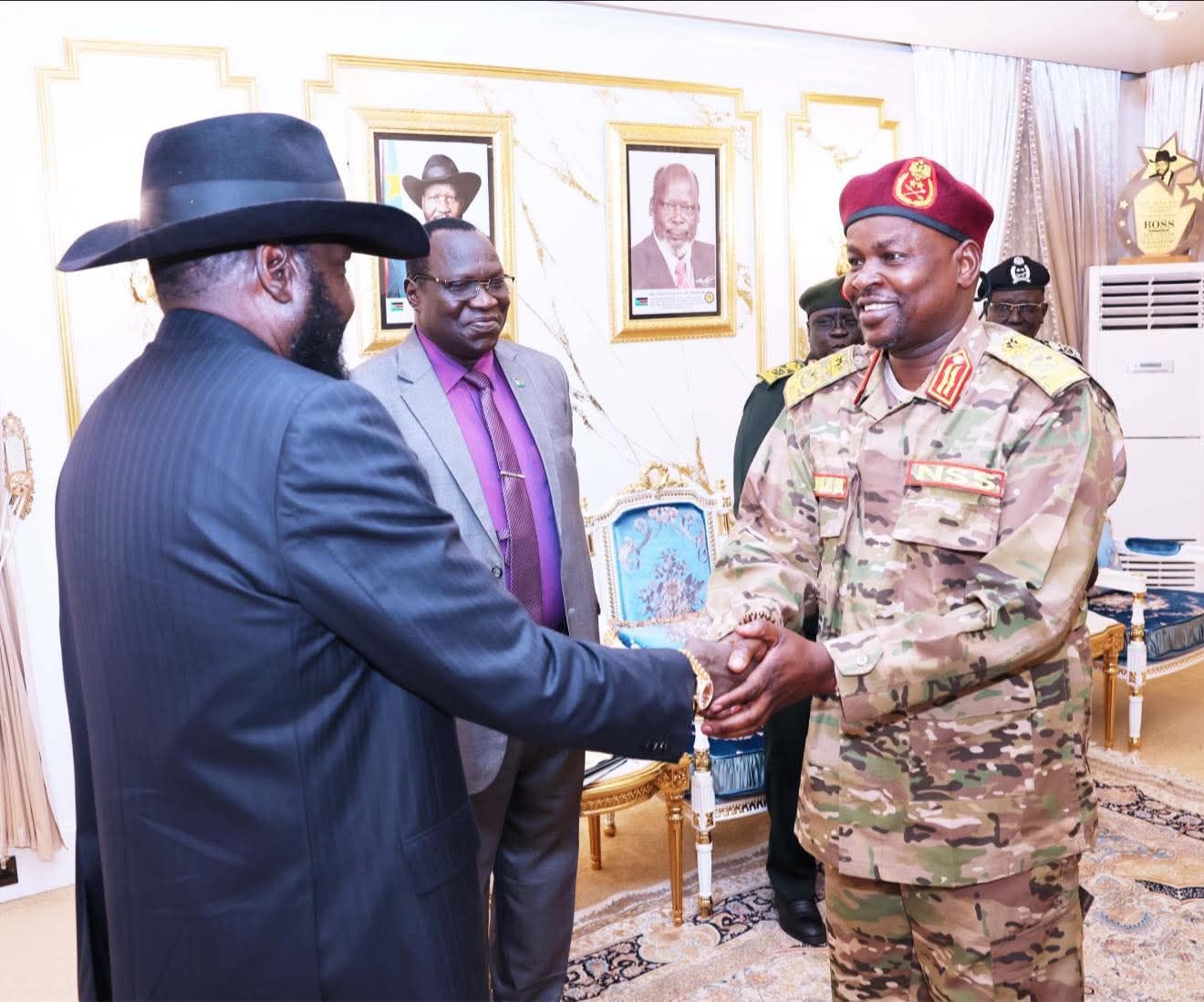
General to Private: Kiir Crushes Economic Vice President in South Sudan's $1.7 Billion Corruption Purge
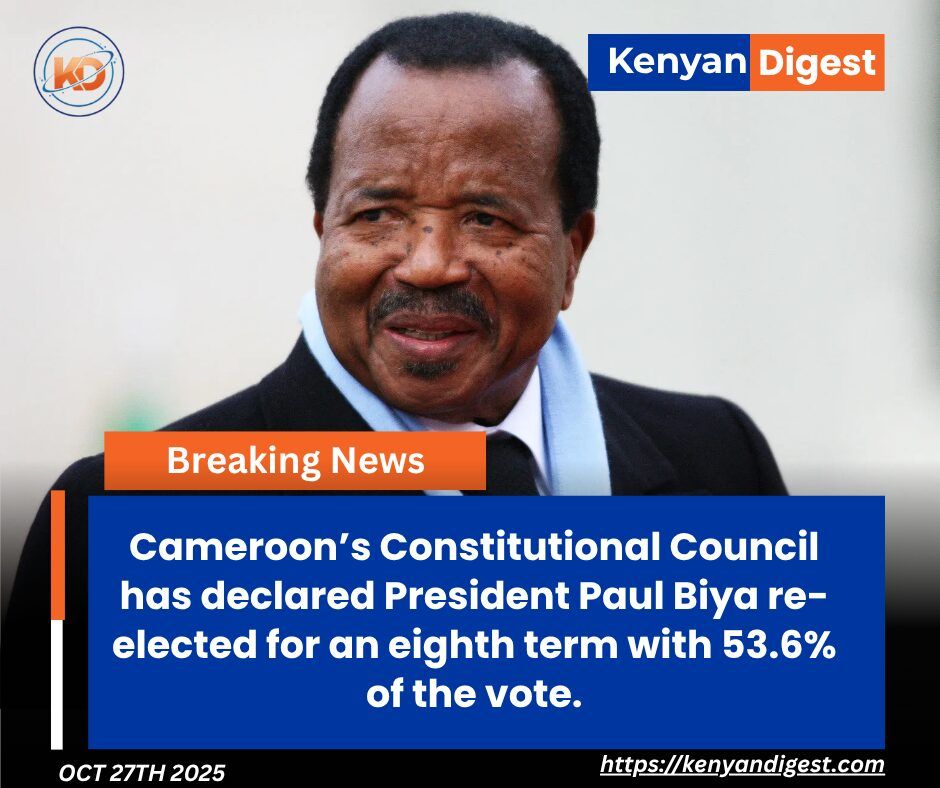
Paul Biya’s Re-Election: What Cameroon’s Political Longevity Reveals About Leadership and Governance in Africa
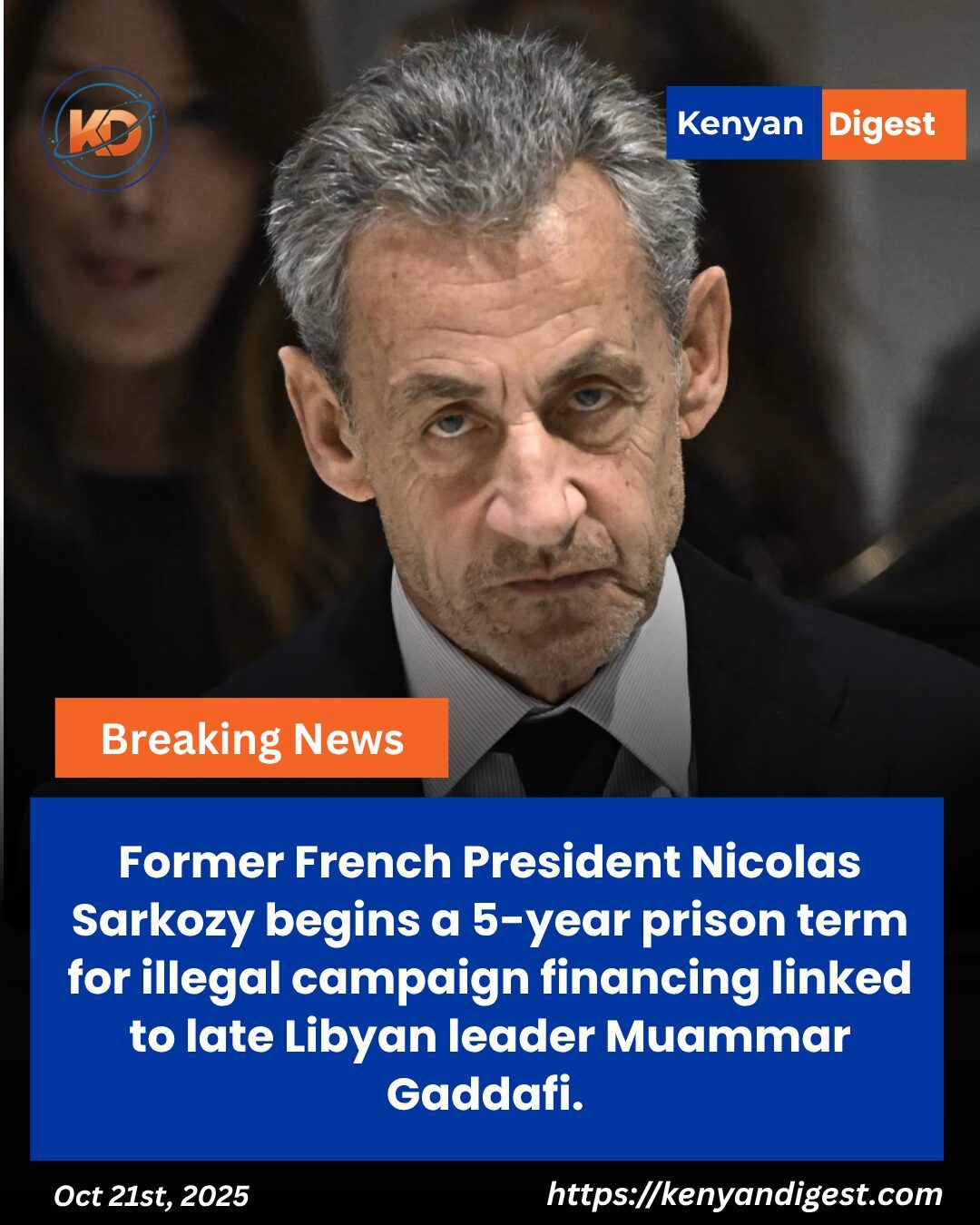
From Power to Prison: The Fall of France’s Former President Nicolas Sarkozy