Leaders from Jubilee party allied to Tangatanga movement associated with Deputy President William Ruto have expressed concerns over what they describe as President Uhuru Kenyatta drinking habit.
The leaders have noted that, due to his drinking habit the President has been unable to deliberate on important national matters as well as chairing cabinet meetings.
Uhuru chaired his last 2019 cabinet meeting on 19-December 2019 where it was agreed Moi Day be renamed Huduma Day and be celebrated on October 10 and Boxing day now Utamaduni day.
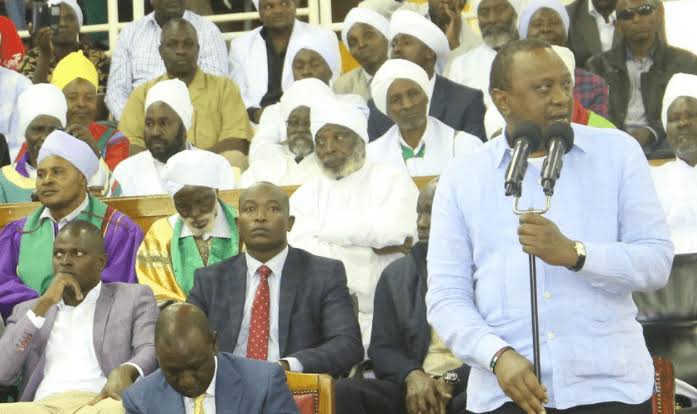
The concerned leaders took issues with the head of state’s habit on appearing in national functions not sober.
Recent Akorino annual conference at Kasarani stadium is touted as example of incidences where the President has turned up visibly drunk to the chagrin of leaders and other Kenyans.
When he stood to address the congregation, the President strongly censured the Tanga Tanga team allied to Ruto accusing it of taking him for granted.
A similar incident played at the Bomas of Kenya during the BBI report unveiling when Uhuru laughed his head off even as his Party was being berated and derided by National Assembly Minority whip Mohamed Junet.
Pundits argue that, because of his worrying drinking habit President Kenyatta appointed Interior CS Fred Matiangi as a super cabinet minister, handing him sweeping powers on the oversight of government programmes.
The president’s move, however, caused jittery among Ruto allies who believe that it was aimed at undermining the DP.
At one time while addressing a meeting at his Rify Valley backyard, the DP while speaking in local dialect made remarks that were construed to suggest he was sharply criticizing how his boss was conducting matters of state affairs.
What surprised many is the kind of attitude Uhuru showed towards the West Pokot landslide victims by deciding not to personally tour the area despite the magnitude of the disaster that attracted the attention of the world.
Imperatively capital city of Nairobi is facing severe problems with the supply and quality of its water supply, driving people to buy it from unsafe and potentially contaminated sources
Related reporting
More Politics →
How the DCI and Kisumu County Officials Shield the Medprime Training College Syndicate While Students Buy Worthless Certificates

How Interior PS Raymond Omollo and Senator Allan Chesang Ran a Sh60 Million Fake Tender Scam

The NSSF Audit Dossier on Mismanaged Billions and Stalled Housing Projects
