FRANKFURT — Deutsche Bank and Commerzbank, Germany’s two largest banks, called off widely criticized merger talks on Thursday, saying they could not agree on terms.
Merging the two banks “would not have created sufficient benefits to offset the additional execution risks, restructuring costs and capital requirements associated with such a large-scale integration,” Deutsche Bank said in a statement.
The decision ends a courtship that officially began in March when the two banks said they would discuss combining to form Europe’s third-largest lender, with assets of $2 trillion.
The talks took place with encouragement from the German government, which was seen as trying to create a national champion that could compete with Wall Street and also be more loyal to German customers in a crisis than a foreign owned bank.
But the potential deal faced opposition from unions that represent bank workers and shareholders. It also was criticized by many financial experts who said it made no sense to combine two lenders with profitability problems and depressed stock prices.
Regulators, including the European Central Bank, also scrutinized the proposed deal closely. They could have set conditions that made a merger unworkable, for example insisting that the banks raise more capital than investors would have been willing to provide.
The end of the merger talks could open the door for a foreign bank to acquire Commerzbank. Mario Draghi, the president of the European Central Bank, has spoken in favor of cross-border deals, saying they help make banks less vulnerable to the economic ups and downs of one country.
But Commerzbank’s sale to a foreign competitor such as ING Group of the Netherlands or UniCredit of Italy would be a blow to German pride, and it is unclear if the government, which owns 15 percent of Commerzbank shares, would allow such a sale.
With the collapse of negotiations, each banks must now face its formidable problems alone. Both Commerzbank and Deutsche Bank are very inefficient compared with European rivals. Their costs are too high in relation to revenue, and they have been slower than banks like ING to shift services online.
Related reporting
More World News →
General to Private: Kiir Crushes Economic Vice President in South Sudan's $1.7 Billion Corruption Purge
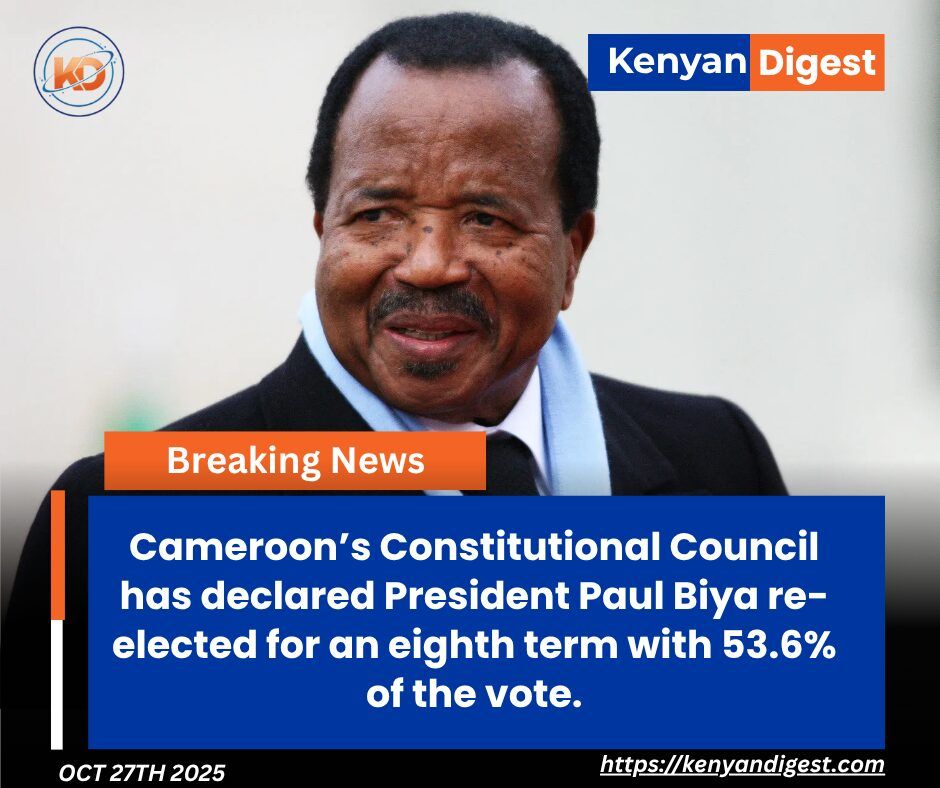
Paul Biya’s Re-Election: What Cameroon’s Political Longevity Reveals About Leadership and Governance in Africa

From Power to Prison: The Fall of France’s Former President Nicolas Sarkozy