With Mt Kenya region finding itself badly exposed without a clear successor in the political leadership as Uhuru Kenyatta’s rule enters its last years, various leaders are positioning themselves to take over.
Indeed, since 1963, there has never been a time when there was such a glaring lack of a potential heavyweight in the region.
Things have worked meticulously for Mt Kenya during past transitions—from the old order of first president Jomo Kenyatta to the point where the whole region recognised Mwai Kibaki as its most senior leader despite a huge pool of ambitious politicians.
Kibaki remained the regional kingpin until 2009 when in the dying years of the presidency, former cabinet minister John Michuki, known for his outspoken stance, publicly made it clear that the now president Uhuru Kenyatta was best suited to be the incoming community leader, giving him a clear headstart over perceived rivals.
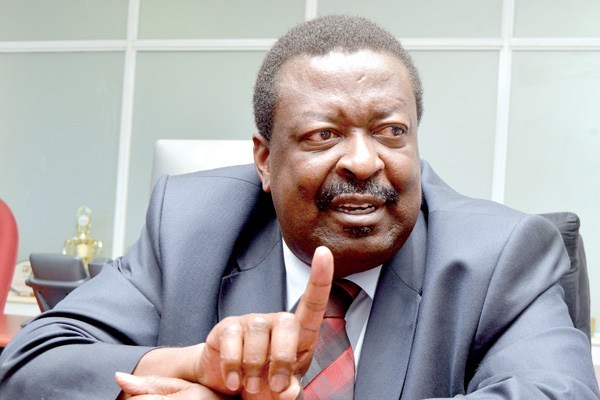
Musalia Mudavadi
Kibaki also helped Uhuru’s ascendancy after he endorsed him for the deputy prime minister’s slot in the negotiated grand coalition government and later appointed him Finance minister, a position where he served briefly before the International Criminal Court indictment left him only with the negotiated position.
Those styling themselves to inherit Uhuru’s clout include Agriculture cabinet secretary Mwangi Kiunjuri, Kirinyaga governor Anne Waiguru, former Kenya National Congress presidential candidate Peter Kenneth, Narc-Kenya leader Martha Karua and Murang’a governor Mwangi Wa Iria.
For Waiguru and Karua, their bid to lead the Kikuyu community appears doomed since historically, apart from the era of the notorious Wangu wa Makeri, the community has never been led by a woman.
For Kiunjuri and Iria, the sword of Damocles is hanging on their neck due to their perceived involvement in graft.
Joho
Others such as Trade cabinet secretaries Peter Munya, Tharaka Nithi senator Kithure Kindiki, national assembly speaker Justin Muturi and Meru governor Kiraitu Murungi are seen as having shaky political backyards, to some extent because of Meru subtribal political dynamics.
It is perhaps with this in mind that some leaders from Central Kenya have started working behind the scenes to identify a suitable candidate to lead the community in negotiations for a running mate slot ahead of the 2022 polls.
The leaders, aware that a Kikuyu presidential candidature in 2022 will not resonate well with the other communities, are drawing a strategy where their man will be the running mate to either ODM leader Raila Odinga or William Ruto.
Insiders say the leaders are convinced that the 2022 polls will be a two-horse race between Ruto and Raila, and are therefore weighing the chances of either aspirant before deciding who to back.
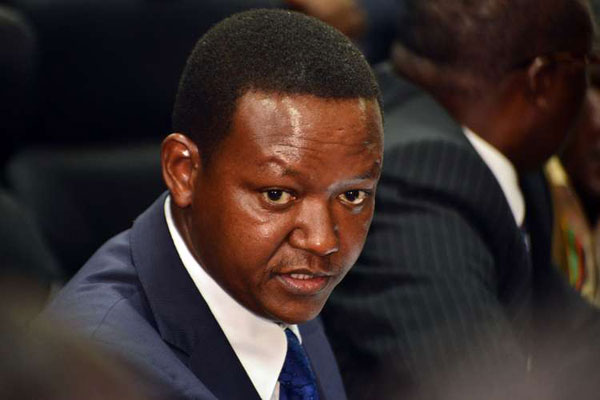
Governor Mutua
Though deputy president appears to have lost favour with Uhuru, who hails from the region, the DP still enjoys massive support at the grassroots and that explains why the Central Kenya leaders are ready to enter a pact with him if he emerges to be the best bet.
Raila has also been making inroads in a region that his candidature in the past evoked fear.
According to sources, those pushing for Central to deputise a top aspirant have in mind the former Kenya Defence Forces General Julius Karangi as the ideal person, given his nonconfrontation approach to issues and sterling performance in the military.
They are also citing his organisation skills, ability to bring warring factions together and prudent management in the public service.
In the new arrangement, sources add, the Central Kenya leaders will back the Building Bridges Initiative recommendations.
The BBI, which will table its report next month, is widely expected to propose an expanded executive as one way of ensuring all communities are adequately represented in the government.
General Karangi
Insider say with Karangi as running mate, the Mount Kenya region will be well represented and hence the other powerful seats will go to the other communities.
They add that if the leaders settle on Raila as the presidential candidate and Karangi as his running mate, the post of prime minister will be reserved for Amani National Congress leader Musalia Mudavadi who will be deputised by Mombasa governor Ali Hassan Joho and Baringo senator Gideon Moi.
In case Mudavadi declines to accept the offer, the post will be dished to Kakamega governor Wycliffe Oparanya.
Sources add that Machakos governor Alfred Mutua who is serving his second and final term as governor, is also earmarked for a powerful post so as to bring the Kamba community on board.
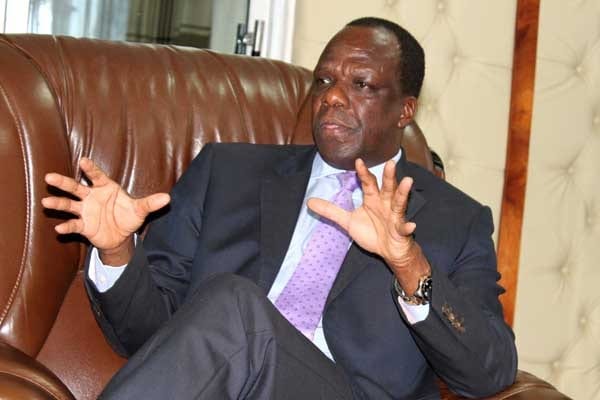
Oparanya
The post of leader of majority in parliament will be reserved for the pastoralists’ communities. Currently, it is occupied by Garissa Township MP Aden Duale.
As part of ensuring inclusivity, the leaders are shopping for political heavyweight from the Mijikenda community for appointment in a senior role in the next government.
Interior cabinet secretary Fred Matiang’i will be retained in the same post in the next government to ensure the Kisii community is catered for.
CS Matiangi
Prior to the last polls, Karangi was endorsed as spokesperson for Nyeri county which hoisted him into the succession politics in Mt Kenya region.
The general, together with the Kikuyu Council of Elders, played a vital role boosting the then perceived sagging voter registration drive by mobilising the residents to enroll.
He also stepped in to bring various factions together to support the voter registration drive which set tongues wagging about a possible more prominent role in the political arena.
Karangi first hint of his desire to enter the political arena was during his speech at the leaders’ meeting at Green Hills Hotel in Nyeri.
He convened a meeting of aspiring governors and senators in Nairobi where they all agreed to get involved and the results was high voter registration.
Karangi is a respected son of Nyeri who can effectively play the role of bringing people together to speak in one voice.
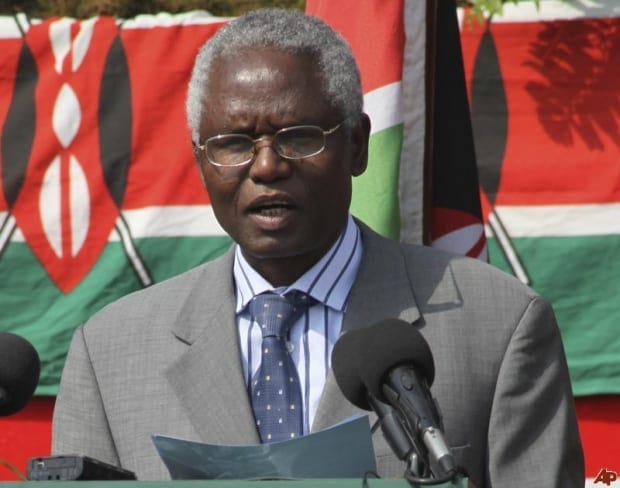
Francis Muthaura
The meeting was co-convened by the Africa Policy Institute and Central Region Economic bloc bringing together 10 counties comprising the Gikuyu, Embu and Ameru communities, Francis Muthaura Foundation, Mt Kenya Economic Forum and Mt Kenya Foundation.
Coming in the middle of a political storm over Kenyatta II succession political duels, the timing and the list of attendance by invitation comprising the most prominent senior citizens from the region sent a strong though not expressly stated political message that there were other stakeholders with a different agenda and concerns away from the vocal and more visible political class.
Although the convener, Peter Kagwanja of API, was keen to announce “we came in all our colours”, when he introduced David Ndii, an economist and one of the most vocal government critics, the list of invitations seemed deliberately keen to exclude active elected political players.
Among prominent names and panellists included chairman of the Central Region Economic Bloc, and Nyandarua governor, Francis Kimemia, his predecessor as head of public service, Muthaura, Karangi, national assembly speaker Justice Muturi, Nakuru governor Lee Kinyanjui, Kiambu deputy governor James Nyoro and Narc leader Martha Karua.
Others included Equity Bank founder and chairman of the Mt Kenya Foundation business and political lobby Peter Munga, former senators Mutahi Kagwe (Nyeri), Joseph Karaba (Kirinyaga), Kembi Gitura (Murang’a), former Meru and Nyeri women representatives, Florence Kajuju and Priscilla Nyokabi.
But there is another school of thought that opines that it is only a tested politician, such as Kenneth, who can shepherd the community to vote as a bloc.
This school of thought views Karangi as non-starter given that he has never been in competitive politics.
Related reporting
More Politics →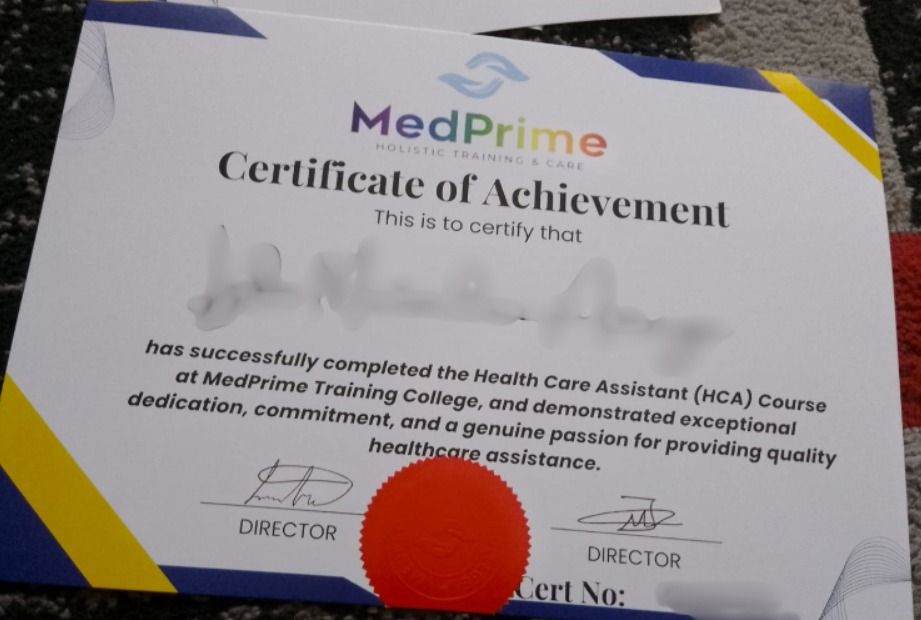
How the DCI and Kisumu County Officials Shield the Medprime Training College Syndicate While Students Buy Worthless Certificates

How Interior PS Raymond Omollo and Senator Allan Chesang Ran a Sh60 Million Fake Tender Scam

The NSSF Audit Dossier on Mismanaged Billions and Stalled Housing Projects
