Kenya is in the process of approving clinical trials for a Chinese coronavirus vaccine developed from insect cells.
And some 40,000 participants aged between 18 and 70 years will be recruited for Phase III of the trials for the vaccine named recombinant Covid-19 vaccine (Sf9 cells).
The trials will be conducted in China, Indonesia and Kazakhstan, with Kenya as the only African country participating in the project.
The Covid-19 vaccine has been made by the Sichuan University-affiliated West China Hospital.
In Kenya, the tests will be led by Prof Walter Jaoko, an immunology expert and director of KAVI Institute of Clinical Research at the University of Nairobi.
Developed by the State Key Laboratory of Biotherapy at West China Hospital, the vaccine is made by infecting cultures of insect cells with the Sars-CoV-2 virus, which causes Covid-19.
The process turns the cells into factories of a protein that stimulates an immune response.
Human vaccine
The vaccine is designed to trigger antibodies against specific areas on the spike protein of Sars-CoV-2, the virus that causes Covid-19.
Last year, results of animal tests published in the journal Nature showed the vaccine could induce immune responses against infection in mice, rabbits and monkeys (the rhesus macaque) seven to 14 days after a single dose injection, with "no obvious" side effects.
The vaccine is developed using cells from fall armyworm (Spodoptera frugiperda).
The technology of using insects as factories for human vaccine development started back in the 1980s. Insect cells have been used in recombinant protein vaccines sold in the US and Europe to prevent cervical cancer and influenza.
The World Health Organization (WHO) announced it would meet between this week and next week to assess the Chinese Covid-19 vaccines developed by Sinopharm and Sinovac for Emergency Use Listing (EUL).
"We have an advisory group meeting today, and it will meet in the next days to assess Sinopharm. We will be assessing Sinovac on May 5. We expect that for Sinopharm, we will have a decision before the end of this week, and Sinovac most likely by the end of next week," said Mariangela Batista Galvao Simao, the WHO assistant director-general for access to medicines and health products, at a briefing last week Monday.
Childbearing

Sign up for free AllAfrica Newsletters
Get the latest in African news delivered straight to your inbox
Success!
Almost finished...
We need to confirm your email address.
To complete the process, please follow the instructions in the email we just sent you.
Error!
There was a problem processing your submission. Please try again later.
If approved, the Chinese vaccines would be the first from a non-western country to gain approval from the global health agency.
This brings to three the number of Covid-19 vaccine candidates seeking tests in Kenya.
Others are the University of Oxford/AstraZeneca trials going on in Kilifi and a Sanofi/GlaxoSmithKline candidate, whose trials might start later this year.
Human clinical trials for the vaccine have been approved in China, with phase I and II involving volunteers aged 18 years and above initiated last year.
Trial participants will receive three doses of the vaccine three weeks apart within 42 days. Volunteers should not have been infected with Covid-19, but should have been living in conditions where there are risks of infection.
Persons who have received any experimental or licensed Covid-19vaccine will not be eligible. Both participating males and females are expected to shelve plans to make babies during the study period and commit to using effective contraceptives.
Females of child-bearing potential must be willing to use effective contraception for 90 days after receiving the three vaccine doses.
"Males participating in this study must agree to practise adequate contraception and refrain from donating sperm for 90 days after receiving the study vaccination," says the study protocol No: PACTR202103845381761. The vaccine candidate is the only one whose trials have involved the elderly.
Related reporting
More General News →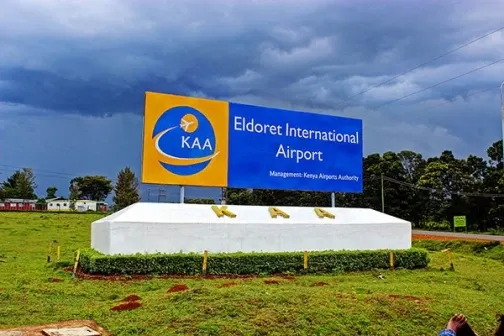
Eldoret Airport Smuggling Expose: Millions Lost as Gadgets Flow Illegally to Ethiopia
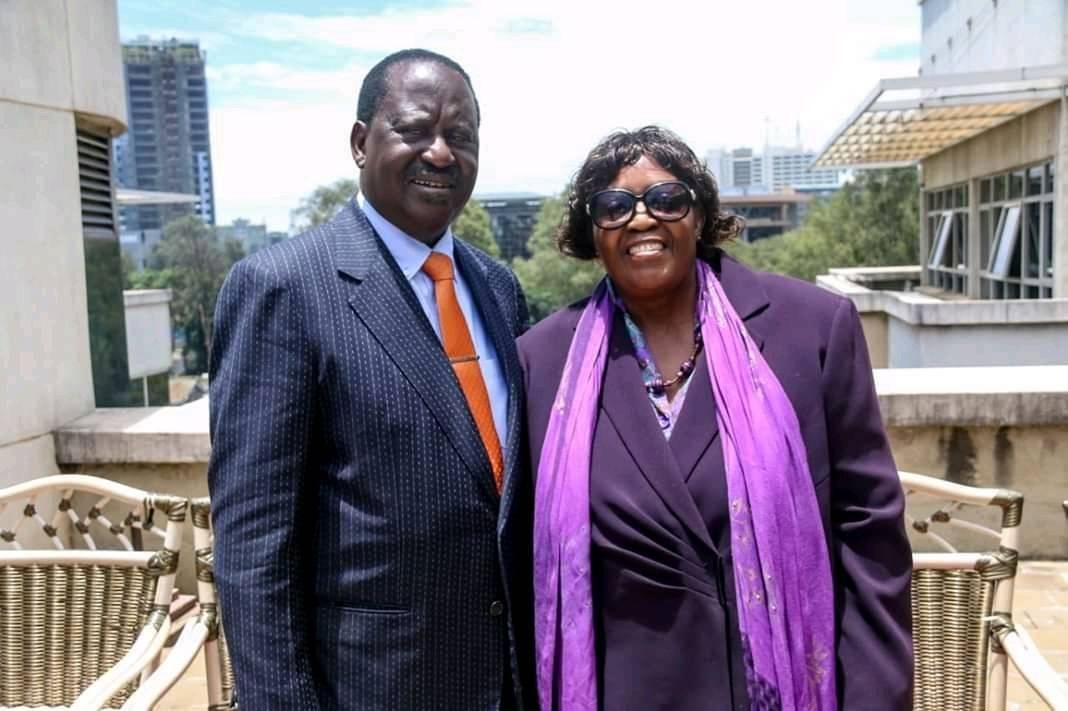
Raila Odinga’s Sister Beryl Achieng Has Died, Family Confirms
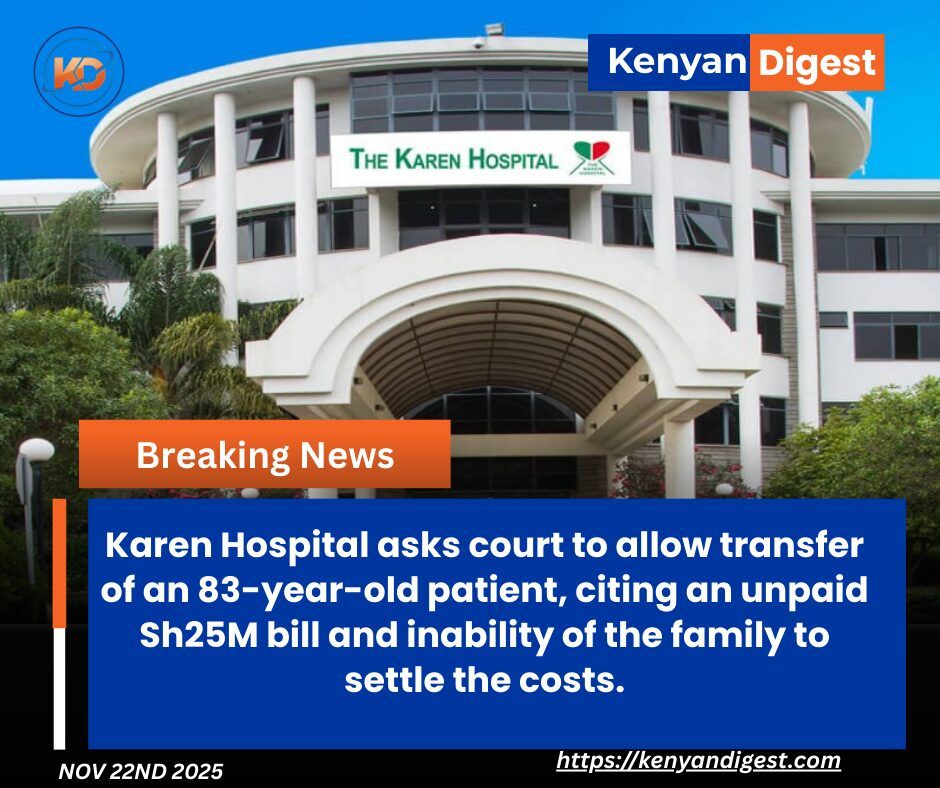
Karen Hospital Moves to Court Over Sh25 Million Bill for 83-Year-Old Patient