LOS ANGELES — Treasury Secretary Steven Mnuchin said on Sunday that trade talks between the United States and China were entering a critical point as an American delegation heads to Beijing this week to try to finalize a long-awaited deal.
The United States and China have spent more than a year trying to resolve a trade dispute and reach an agreement that would overhaul the economic relationship between the world’s largest economies.
Mr. Mnuchin, one of President Trump’s lead negotiators, said that while the two sides are closer to an agreement, more work remains to be done, and that the talks are nearing a point where they would either produce a deal or end with no agreement.
“We’re getting into the final laps,” Mr. Mnuchin said in an interview on the sideline of the Milken Institute Global Conference in Los Angeles.
The Treasury secretary is heading to China on Monday with Robert E. Lighthizer, the Trump administration’s top trade negotiator, to try to resolve the remaining sticking points between the countries. Chinese officials are expected to come to Washington on May 8 to continue — and possibly conclude — the negotiations.
The United States and China have been locked in a trade war for months, exchanging tit-for-tat tariffs on billions of dollars’ worth of products and rattling global markets.
Mr. Trump imposed punishing tariffs on $250 billion worth of Chinese goods in an effort to force Beijing to make significant changes to its economic practices, including China’s requirement that American companies turn over valuable intellectual property as a condition of doing business there.
While Mr. Trump has said repeatedly that talks with China are going well, he has continued to insist that the United States could walk away if it does not get the trade terms it wants. Still, the president stirred optimism last week that the negotiations could be nearing an end when he said President Xi Jinping of China could soon be visiting the White House. Mr. Trump has previously said he expects to hold a signing ceremony with Mr. Xi in the United States.
Mr. Mnuchin declined to predict whether the negotiations would be wrapped up by the end of June but said he believes that both countries want to reach a deal. He also would not say if a breakdown in the talks would lead Mr. Trump to impose more tariffs.
“I think both sides have a desire to reach an agreement,” Mr. Mnuchin said. “We’ve made a lot of progress.”
Among the biggest sticking points has been how the two sides would enforce any trade agreement and whether the United States would agree to remove all, or at least most, of the tariffs it placed on Chinese products.
This month, Mr. Mnuchin said substantial progress had been made on an enforcement mechanism, which would give both sides the ability to hold each other accountable if the agreement was abrogated.
Mr. Mnuchin declined to provide details of the remaining obstacles, but he said this round of talks would continue to focus on China’s longstanding practice of subsidizing its industries. He also expected the two sides to discuss Mr. Trump’s move this month to end waivers that allowed countries like China to import oil from Iran.
As part of its effort to punish Iran by tightening economic sanctions, the United States gave countries, including China, until May 1 to halt purchases of Iranian oil or face American sanctions.
China, which imports large quantities of oil from Iran, has criticized the move.
“China consistently opposes U.S. unilateral sanctions,” Geng Shuang, a Chinese Foreign Ministry spokesman, said this month.
Mr. Mnuchin said the Trump administration has made clear to China how important the effort is and has conveyed that China would face sanctions if it continued to purchase Iranian oil.
“There’s still some significant issues that are open,” he said.
Related reporting
More World News →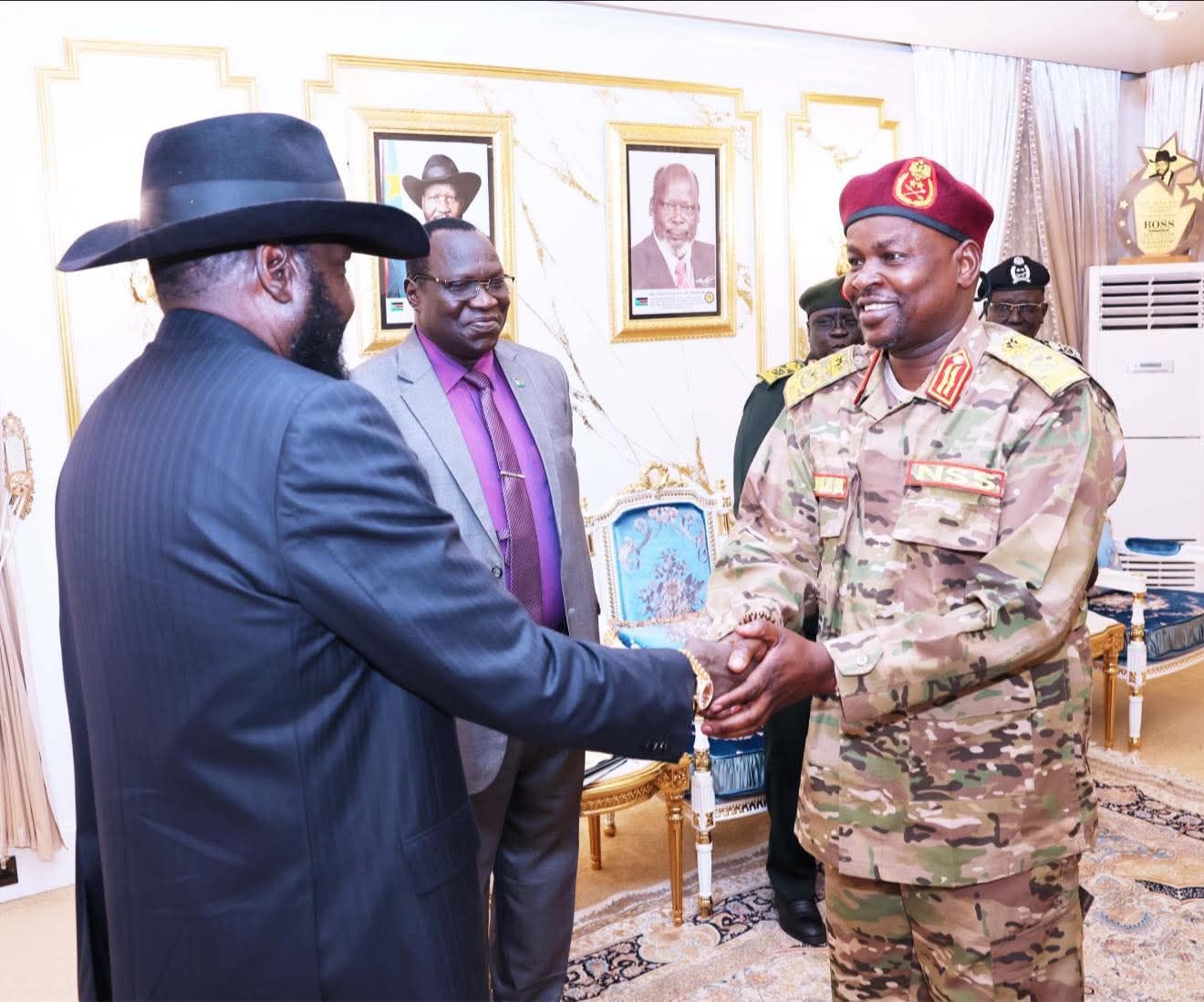
General to Private: Kiir Crushes Economic Vice President in South Sudan's $1.7 Billion Corruption Purge
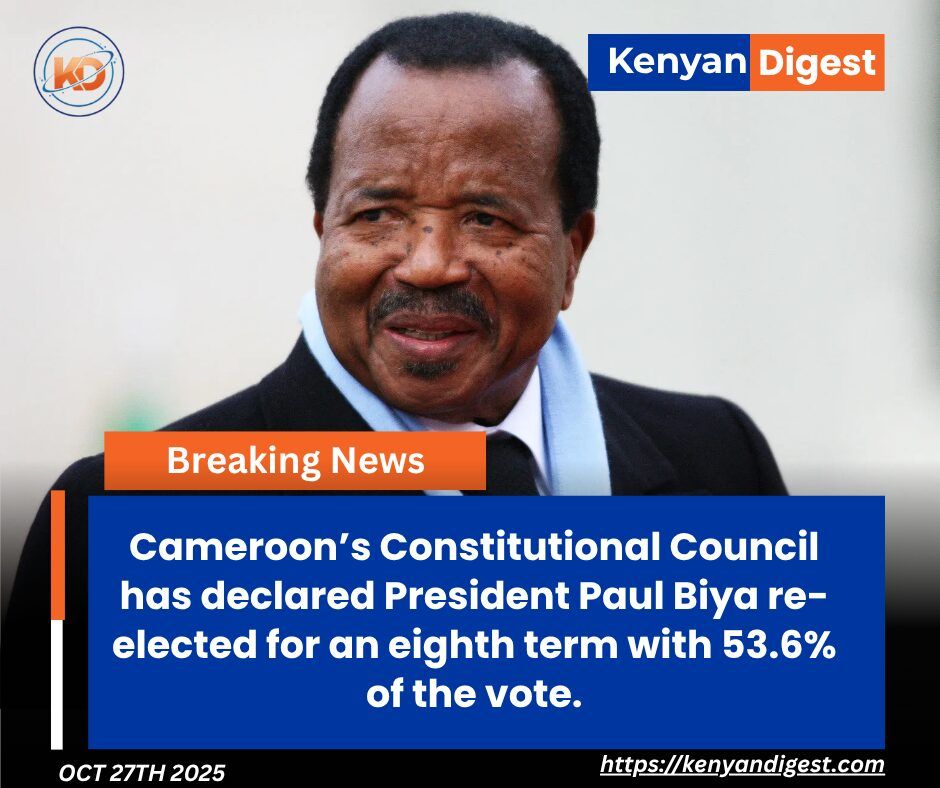
Paul Biya’s Re-Election: What Cameroon’s Political Longevity Reveals About Leadership and Governance in Africa

From Power to Prison: The Fall of France’s Former President Nicolas Sarkozy