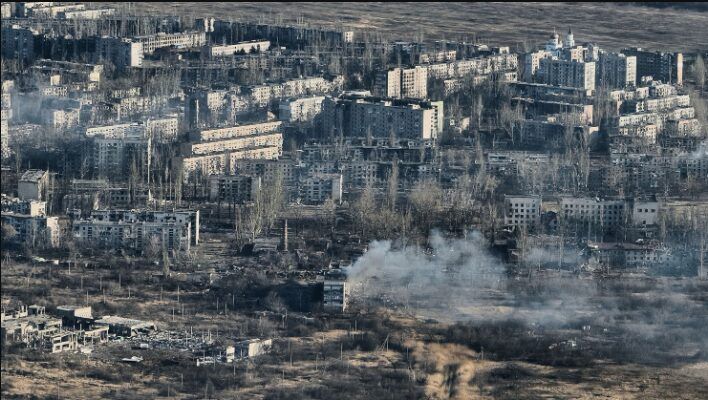
In 1969, he began racing in earnest, and won eight races at a low level of competition. Over the next few years, he borrowed on his life insurance and without authorization used his family name to finance better cars for tougher racing events. His success drew the attention of Enzo Ferrari, the aging head of the Italian motor car company, who in 1973 invited him to join the Ferrari racing team.
Lauda jumped at the chance. He marveled at the Ferrari test track at Fiorano, near Modena in northern Italy, comparing it to a NASA training site, with a private track, automated timekeepers, closed-circuit television facilities and an army of automotive engineers, fitters, technicians and administrators.
“I couldn’t imagine how such a setup could fail to win,” he wrote in “My Years With Ferrari” (1978), one of his five books. Two years after joining the team, he gave Ferrari its first victory in 20 years at the prestigious Monaco Grand Prix, and went on to win the world championship.
In 1976, Lauda married Marlene Knaus. They had two children, Mathias and Lukas, and were divorced in 1991. He also had a son, Christoph, in an extramarital relationship. In 2008, he married Birgit Wetzinger, a flight attendant 30 years his junior, who gave birth to twins, Max and Mia, in 2009. A list of Lauda’s survivors was not immediately available.
He established Lauda Air as a charter service in 1979, and in 1987 began scheduled flights. He sold Lauda Air in 1999. In 2003 he started a new budget airline, Niki, and often piloted its flights twice a week. It merged with Air Berlin in 2011. In 2016, he took over another charter airline, calling it Lauda Motion.
For many years he was a commentator on German television for Grand Prix races.
Ron Howard’s 2013 biographical sports film, “Rush,” portrayed the 1976 Grand Prix season rivalry between Lauda (played by Daniel Brühl) and James Hunt (Chris Hemsworth), who died in 1993. The film grossed nearly $100 million at the box office.
“Mr. Howard doesn’t just want you to crawl inside a Formula One racecar,” Manohla Dargis wrote in a review for The New York Times, “he also wants you to crawl inside its driver’s head.” Lauda praised the film, whose exhilarating race sequences were shot on location at German and British racetracks, as a “very accurate” drama.
Related reporting
More World News →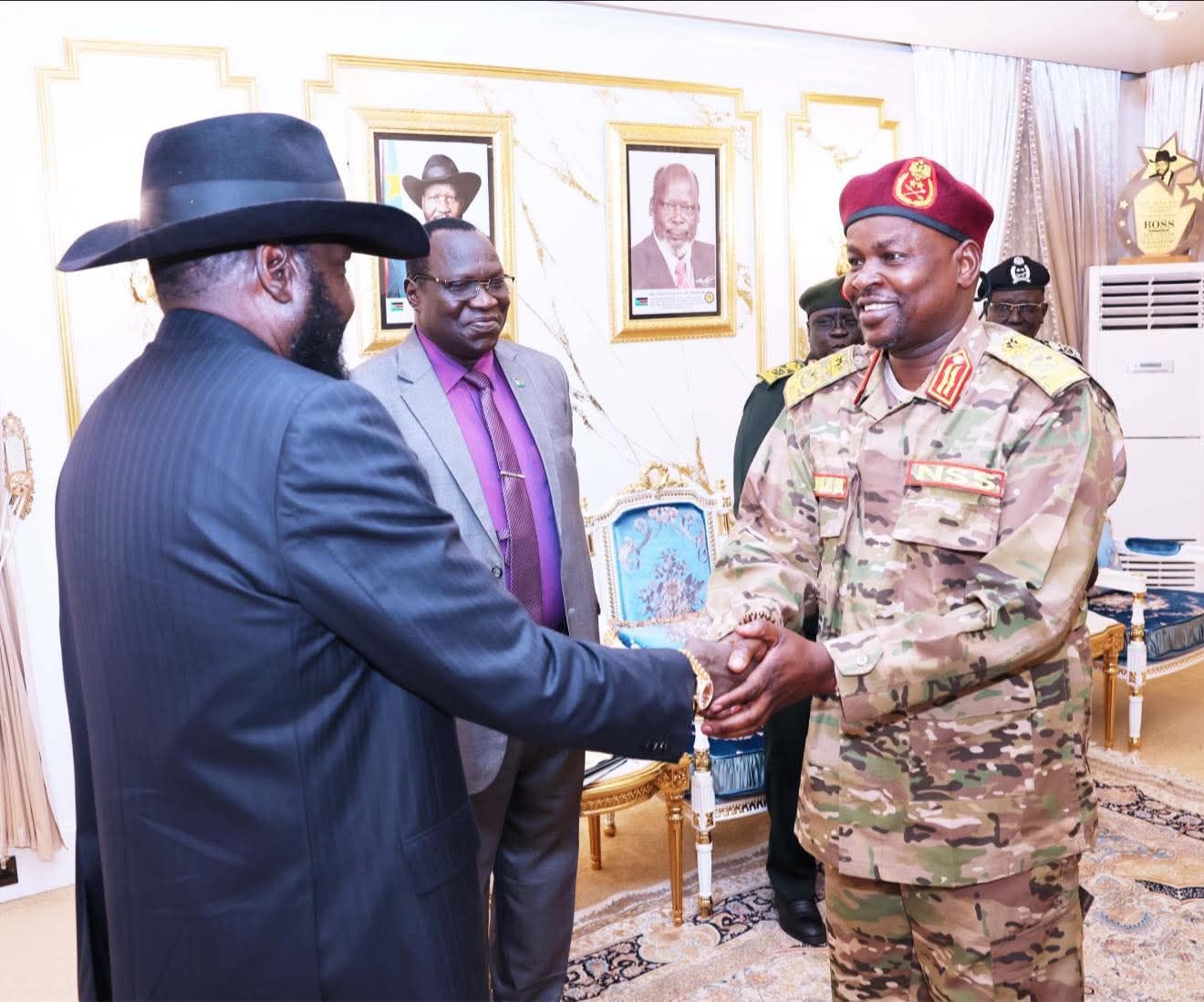
General to Private: Kiir Crushes Economic Vice President in South Sudan's $1.7 Billion Corruption Purge
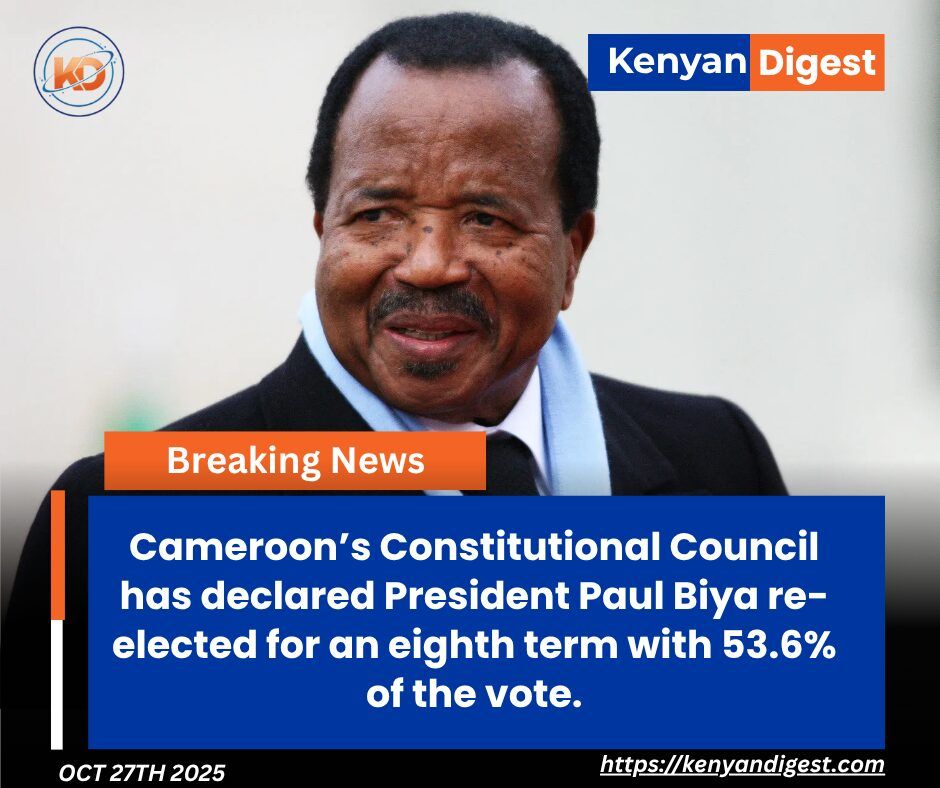
Paul Biya’s Re-Election: What Cameroon’s Political Longevity Reveals About Leadership and Governance in Africa
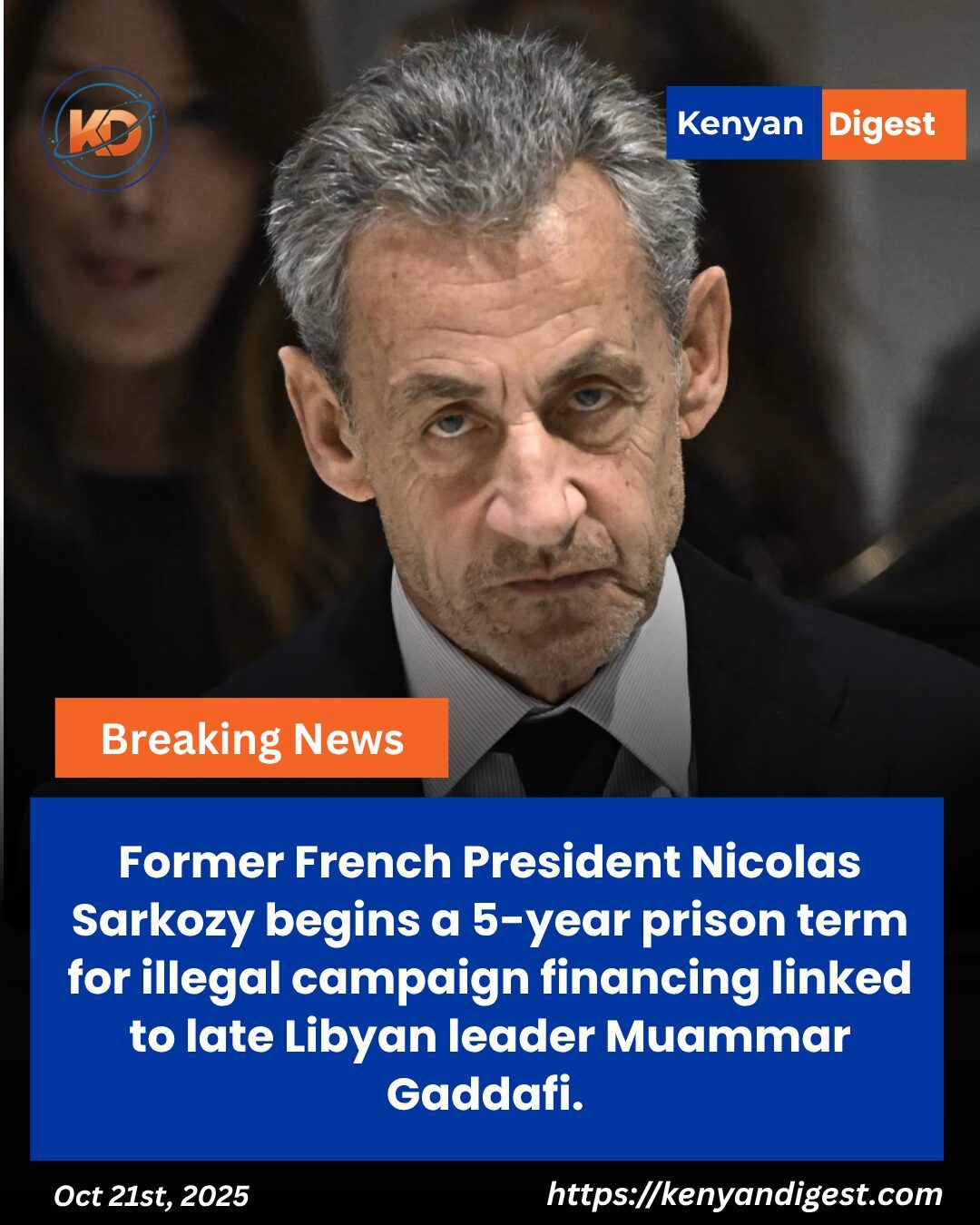
From Power to Prison: The Fall of France’s Former President Nicolas Sarkozy