We write as citizens and foreign policy veterans of two countries that most Americans presume are locked in mortal combat: Iran and Saudi Arabia. In fact, after decades of proxy conflict and frozen ties between our countries, we believe now is the time to explore a new foundation for a lasting peace in our region.
Neither of us is a starry-eyed idealist. We are both hardened realists with distrust for one another, and that mistrust is shared at the top levels of our respective governments. At the same time, we have seen the destructive consequences of crises in which our countries side with one or another government or movement involved in a competition for power — for example in Yemen, Syria, Lebanon, Bahrain or Iraq. While we each blame the other side for this pattern, we agree that the net result has been costly, has eroded the confidence of the people our governments serve, and has wasted incalculable resources and countless lives that should have been used to build a new Middle East, rather than tear it down.
The time for dialogue is now, because the situations in the historic conflict zones are ripe for diplomacy.
First, in Iraq, both Iran and Saudi Arabia have embraced a new government in Baghdad led by a prime minister and a president who are pragmatic and have good ties to both of our countries. This is an important opening we must seize.
Second, the war in Syria has reached a point near an ending, with less violence and the defeat of the Islamic State there. Both of our countries believe Syria’s territorial integrity must be maintained. We call for respect of the principle of noninterference in Syria’s internal affairs, and respect for the Syrian people’s right to determine their own fate.
In Yemen, we disagree about the root causes of the conflict, but we agree that it has ushered in a humanitarian disaster. Both of our countries should support the process being led by the United Nations to end the conflict in the coming months.
Lebanon is now led by a new government and we agree that it is up to the people of Lebanon to sort out their affairs on their own.
Finally, in Bahrain, we both support the country’s sovereignty, integrity, democratic aspirations, and stability based on the will of its people.
The bottom line is that these five conflict zones, long sources of contests and misery, appear to be settling into a relatively stable status quo from which we can begin to restore a lasting peace in our region. Although we each accuse the other side of being the source of instability in the region, we know through our own difficult dialogue over many months that the conditions exist for direct and continuous discussions with open channels between our capitals and our citizens. We do not need to agree on everything before agreeing on some things and taking the first, most difficult, steps of dialogue.
Our citizens should be first and foremost in our minds, and the world’s. Iran and Saudi Arabia have a combined population of 115 million, nearly a third of whom are under the age of 25. The future is upon us, and our youth will be interconnected whether we like it or not.
Sustainable peace and security require good bilateral relations and regional cooperation between Tehran and Riyadh. Iran and Saudi Arabia have significant differences, but they share common interests in many critical issues, such as energy security, nuclear nonproliferation, and Middle East stability. We hope that instead of widening the gulf between our two countries, our leaders will build on the common ground between our nations, which represent the two main pillars of the Muslim world.
Abdulaziz Sager is the chairman and founder of the Gulf Research Center, based in Jeddah, Saudi Arabia. Hossein Mousavian is a specialist in Middle East security and nuclear policy at Princeton University and a former spokesman for Iran’s nuclear negotiating team.
The Times is committed to publishing a diversity of letters to the editor. We’d like to hear what you think about this or any of our articles. Here are some tips. And here’s our email: [email protected].
Follow The New York Times Opinion section on Facebook, Twitter (@NYTopinion) and Instagram.
Related reporting
More World News →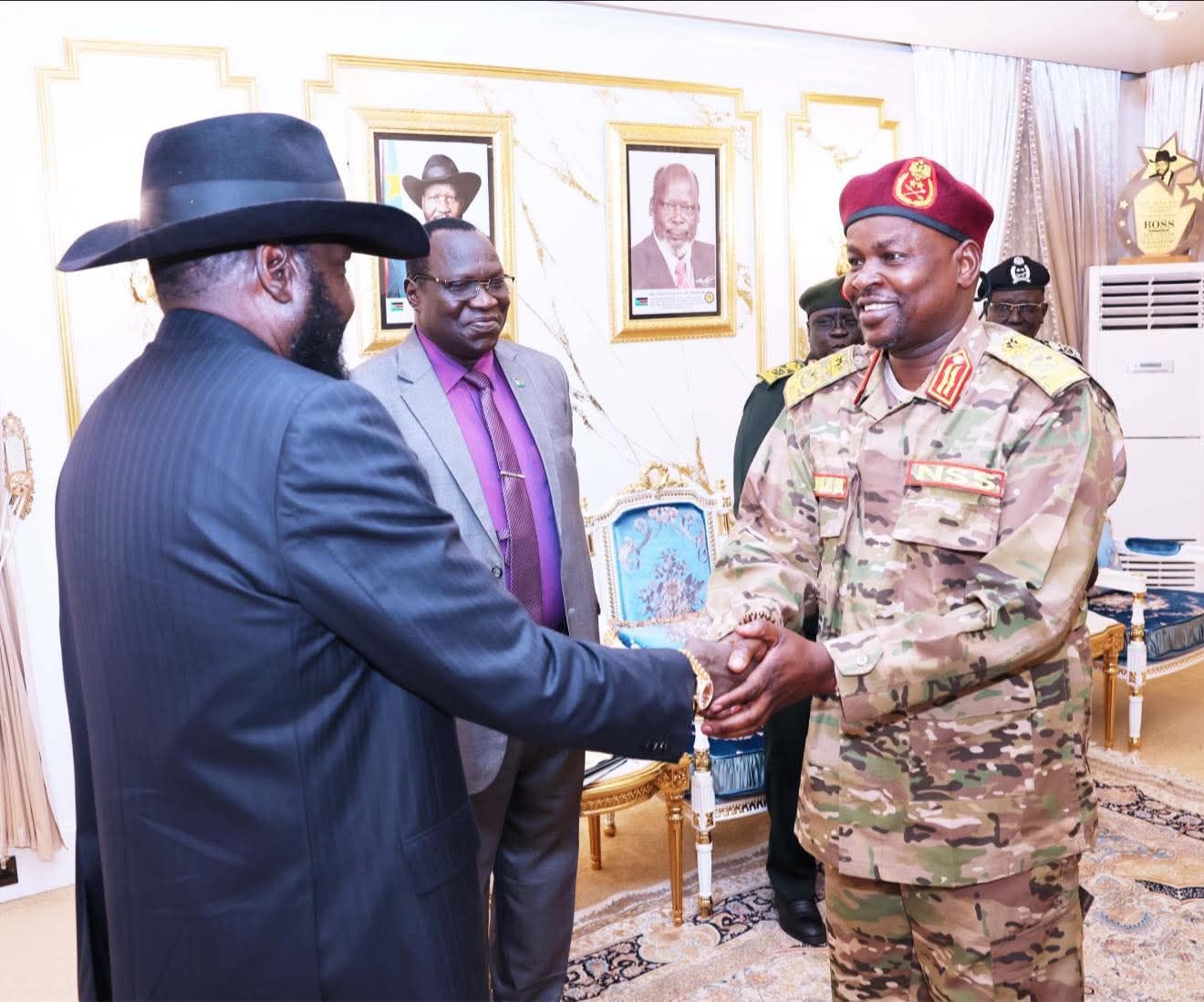
General to Private: Kiir Crushes Economic Vice President in South Sudan's $1.7 Billion Corruption Purge
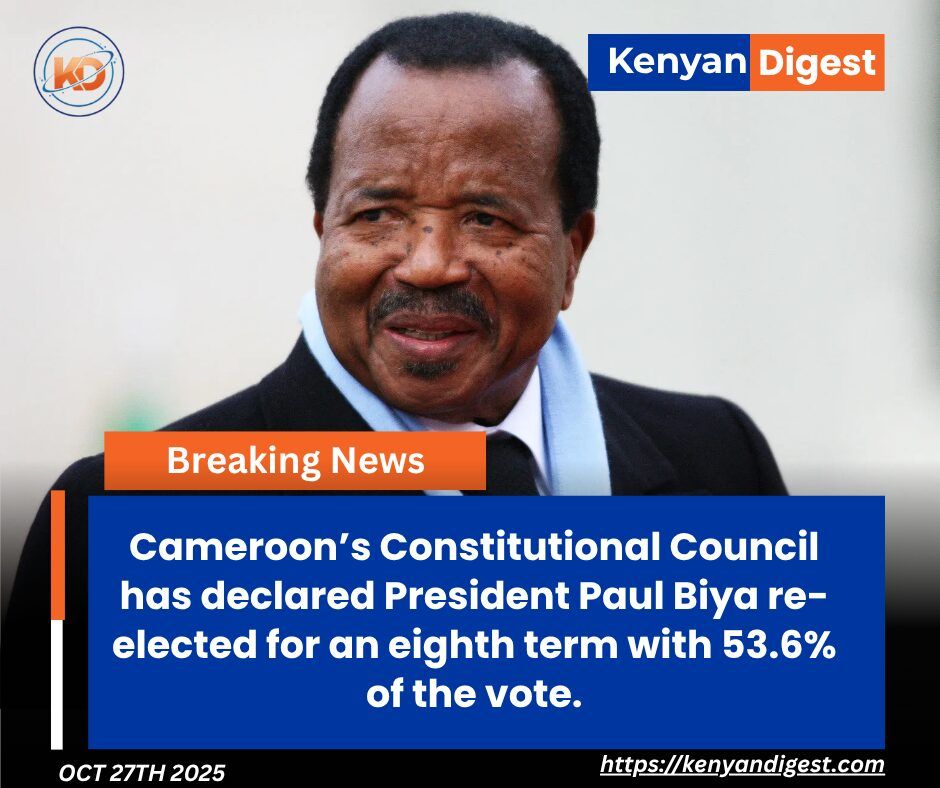
Paul Biya’s Re-Election: What Cameroon’s Political Longevity Reveals About Leadership and Governance in Africa

From Power to Prison: The Fall of France’s Former President Nicolas Sarkozy