Robert S. Mueller III examined eleven actions President Trump took in office that could have constituted obstruction of justice. Here are seven of the episodes we know that Mr. Mueller investigated. They show a president seeking to use his power atop the executive branch to insulate himself, his family and associates from a sprawling investigation that examined their ties to Russia, experts said.
Feb. 14, 2017
Asking Comey to end an investigation
At the end of a meeting with top national-security officials early in his presidency, Mr. Trump asked his F.B.I. director, James B. Comey, to stay behind, then cleared the Oval Office of everyone else, according to congressional testimony by Mr. Comey. The president asked that the F.B.I. end an investigation into his first national security adviser, Michael T. Flynn, calling him a good guy who had been through a lot, according to a memo Mr. Comey wrote at the time documenting the encounter. Mr. Comey demurred, and Mr. Flynn later pleaded guilty to lying to investigators and agreed to cooperate with Mr. Mueller.
July 8, 2017
Misleading statement about meeting with Russians
Flying aboard Air Force One with aides as he returned to Washington from a Group of 20 summit meeting in Europe, Mr. Trump thrust himself into the crafting of a response to a New York Times article about a campaign meeting arranged by his son Donald Trump Jr. with a Russian lawyer promising damaging information on Hillary Clinton. Mr. Trump wanted the statement to give as little information as possible, and his lawyers told Mr. Mueller’s team that the president “personally dictated” the response. The initial statement was misleading, saying the meeting had been “primarily” about adoptions, without acknowledging the part about Mrs. Clinton.
The special counsel included Mr. Trump's various interactions with his former personal lawyer, Michael D. Cohen, as part of his obstruction review. That included praise for Mr. Cohen early on, as well as Mr. Cohen's false testimony to Congress about the length of time that a possible Trump Tower project in Moscow was being worked on during the 2016 campaign. Mr. Cohen, according to the special counsel, said he was told by a personal lawyer for the president to "stay on message." The president's aides had said the project discussions ended before the Iowa caucuses in January 2016. They also noted that Mr. Trump publicly called Mr. Cohen a "rat" after he cooperated with prosecutors.
May 9, 2017
The firing of Comey
The president first said he fired Mr. Comey in May 2017 because of how he handled the investigation into Ms. Clinton’s emails, but he soon strayed from that explanation. Within days, Mr. Trump appeared to say in an NBC News interview that Russia was on his mind when he dismissed Mr. Comey, and he told senior Russian officials in the Oval Office that, by firing Mr. Comey, he had relieved great pressure on himself.
June 17, 2017
Attempts to fire Mueller
In the weeks after Mr. Mueller was appointed in May 2017, Mr. Trump tried to force the White House counsel, Donald F. McGahn II, to have the Justice Department fire Mr. Mueller, citing what the president perceived as conflicts of interest. Mr. McGahn thought the president’s assertions carried little weight and refused to follow his instructions, he has told investigators.
On Saturday, June 17, 2017, Mr. McGahn said, the president called him at home and insisted he have Mr. Mueller fired. Fed up with the repeated directive, Mr. McGahn drove to the White House, packed up his office and told senior White House officials that he planned to quit. They advised Mr. McGahn to ignore Mr. Trump, and the lawyer remained in his post another year.
JULY 2017
Attempts to Use Lewandowski to Oust Sessions
Mr. Trump made two attempts to have his former 2016 campaign manager, Corey Lewandowski, influence the behavior of his attorney general, Jeff Sessions, according to the report. In a meeting at the White House on June 19, 2017, the president “dictated a message” for Mr. Lewandowski to deliver to Mr. Sessions, the report says.
“The message said that Sessions should publicly announce that, notwithstanding his recusal from the Russia investigation, the investigation was ‘very unfair’ to the president, the president had done nothing wrong,” the report says, adding that Mr. Sessions was to announce he would let the special counsel investigation on election interference continue.
A month later, in another meeting, on July 19, 2017, Mr. Trump asked Mr. Lewandowski about the status of the message, and Mr. Lewandowski said it would be delivered soon. Hours later, Mr. Trump had an interview with The New York Times and criticized Mr. Sessions. Mr. Lewandowsi was “uncomfortable” delivering the message, the report says, and he asked a White House official, Rick Dearborn, who had worked previously with Mr. Sessions, to do it. Mr. Dearborn chose not to do it.
Trying to get Sessions to ‘unrecuse’
Mr. Sessions recused himself from the Russia investigation in March 2017 because of his role as a top Trump campaign supporter before being named attorney general. Infuriated, Mr. Trump ranted that Mr. Sessions had betrayed him and that he needed a loyalist at the Justice Department to protect him. In the weeks and months that followed, Mr. Trump sought to pressure Mr. Sessions to reassert his control over the investigation, asking him to “unrecuse” himself. Mr. Sessions refused, prompting Mr. Trump to increasingly pressure him to do so, particularly after Mr. Mueller was appointed in May 2017.
Jan. 26, 2018
Talking to witnesses about testimony
Mr. Trump asked aides to disavow a Times article reporting that investigators had learned of the president’s attempt to fire the special counsel and threatened to fire Mr. McGahn if he refused to rebut the news publicly. The president insisted he had never given the firing directive, and when Mr. McGahn disagreed, Mr. Trump said he did not remember it that way.
Related reporting
More World News →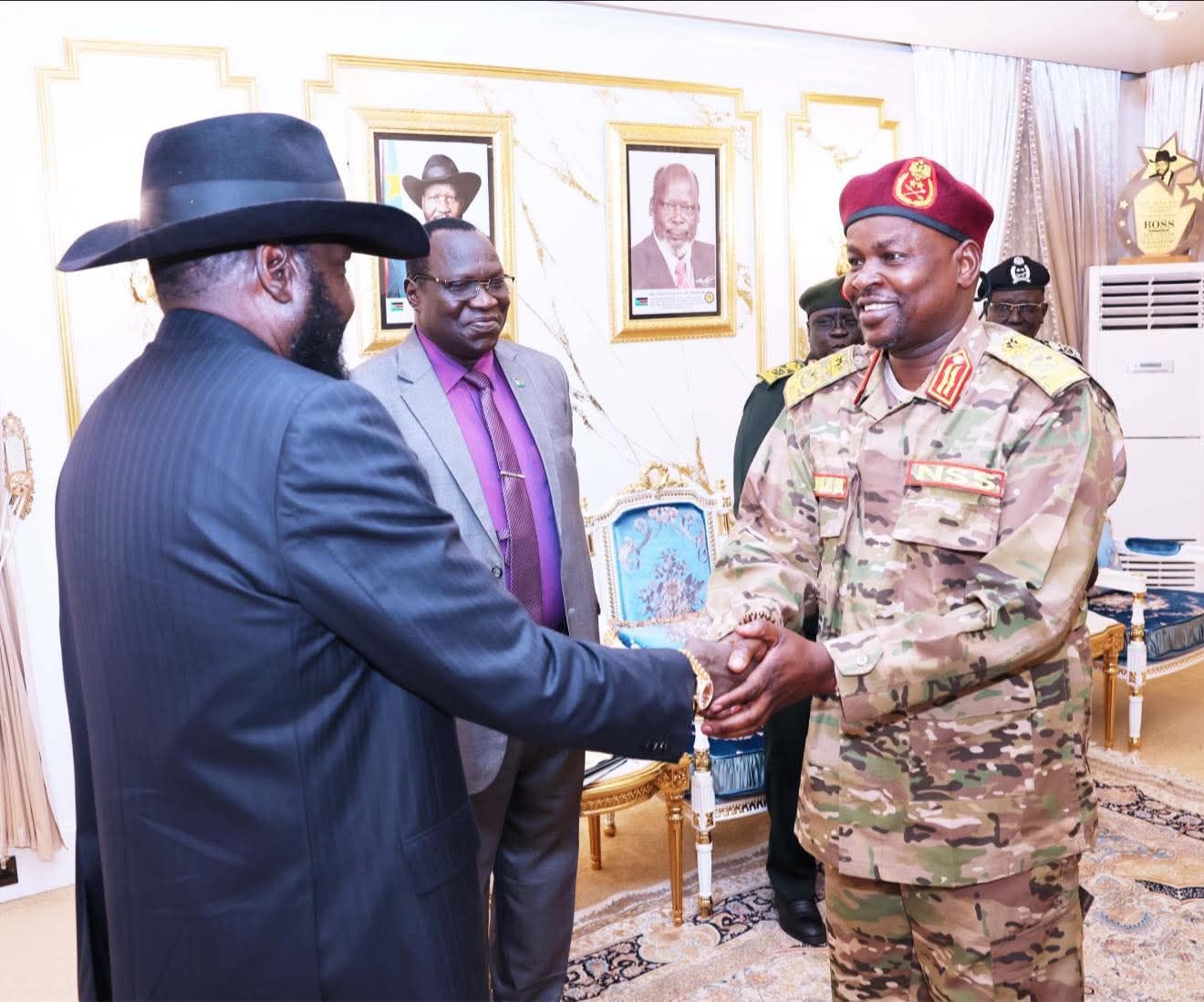
General to Private: Kiir Crushes Economic Vice President in South Sudan's $1.7 Billion Corruption Purge
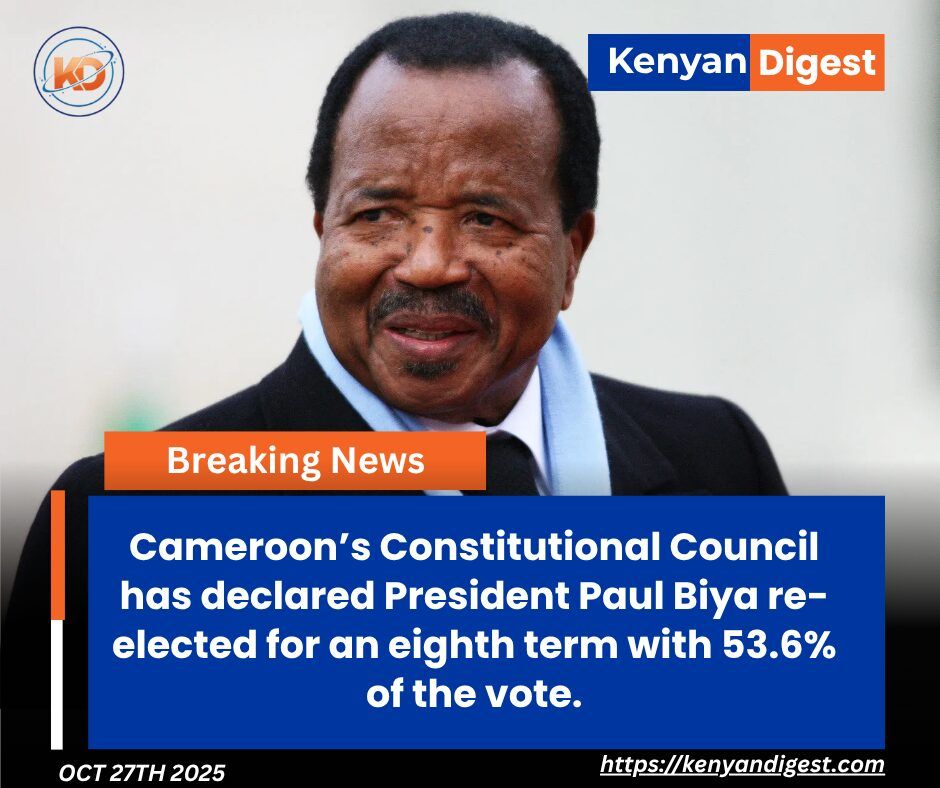
Paul Biya’s Re-Election: What Cameroon’s Political Longevity Reveals About Leadership and Governance in Africa
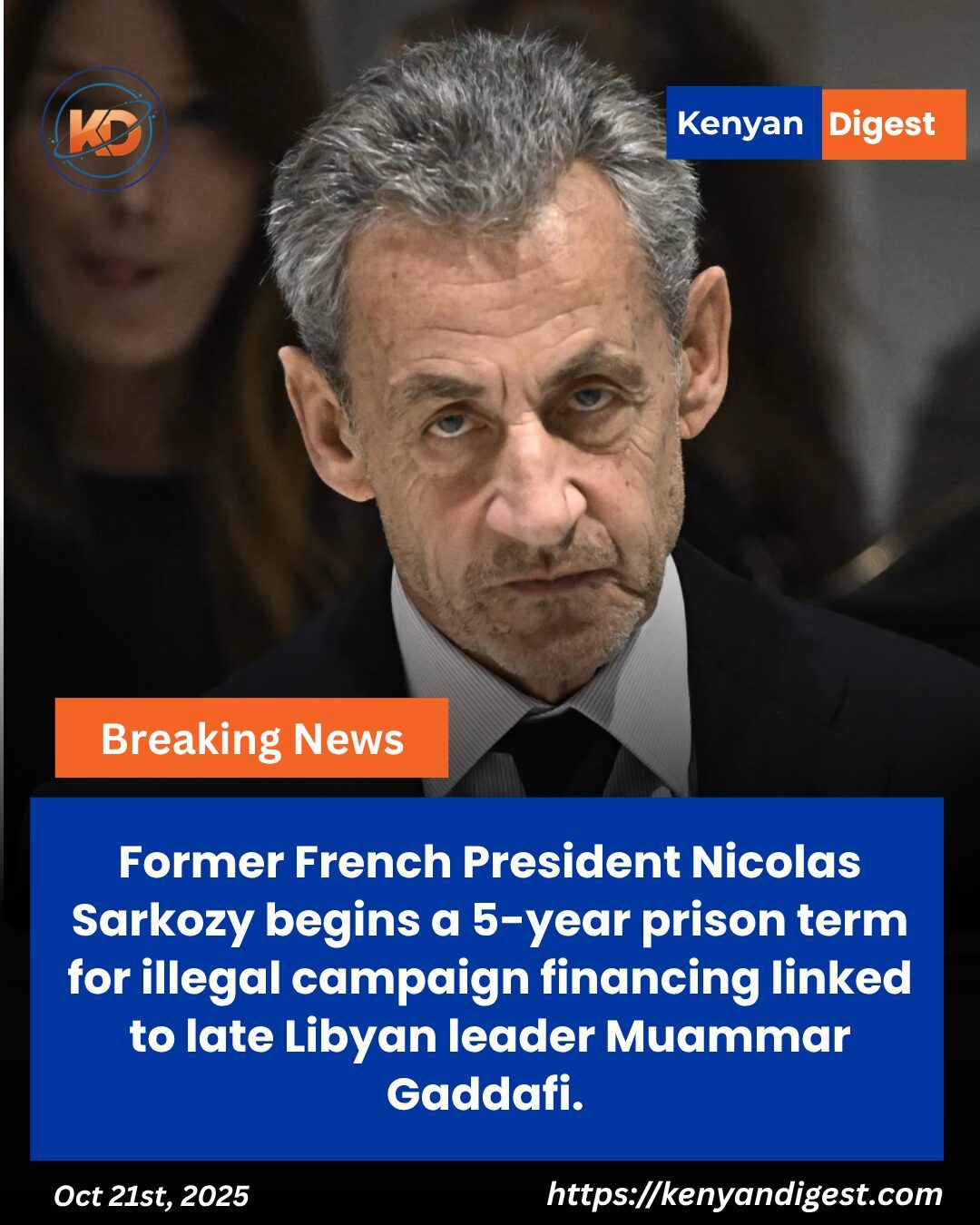
From Power to Prison: The Fall of France’s Former President Nicolas Sarkozy