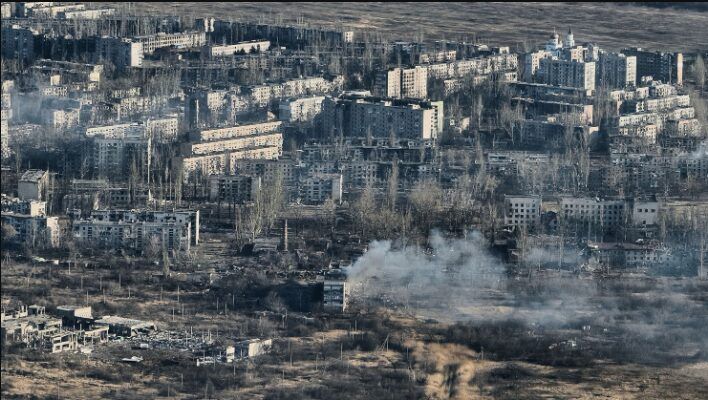
The Islamic State has claimed responsibility for the coordinated attacks by suicide bombers on churches and hotels in Sri Lanka on Sunday that killed more than 300 people and wounded about 500.
The victims came from more than a dozen countries, and included worshipers at Easter Sunday services. The first mass funerals were held on Tuesday outside one of the devastated churches, in western Sri Lanka. Many of the coffins bore the remains of children.
[Grief and anger as the victims are buried.]
The authorities in Sri Lanka said the attack had been carried out by a local group, National Thowheeth Jama’ath, with help from international militants and possibly another local militant group, Jammiyathul Millathu Ibrahim.
What we know about the attacks
• The Sri Lankan government acknowledged that more than 10 days before the attacks, a foreign intelligence agency gave the country’s security officials a detailed warning of a possible threat to churches by National Thowheeth Jama’ath.
• In his first national address since the attacks, President Maithripala Sirisena acknowledged “lapses” and promised major changes in the country’s security apparatus. A senior presidential adviser said the secretary to the Ministry of Defense and the inspector general of the police were “earmarked for dismissal.”
• The archbishop of Colombo joined elected officials and others in criticizing the government for the security failures and for failing to warn that a terrorist group planned to attack churches.
• Prime Minister Ranil Wickremesinghe said “foreign involvement” was likely and that some of the attackers had traveled abroad recently. “Some of the evidence,” Mr. Wickremesinghe said, pointed to links with the Islamic State, although the militant group has presented little to back up its claim of responsibility.
• Investigators are looking into the possibility that the bombings were carried out as retribution for attacks on two mosques in Christchurch, New Zealand, in March, the authorities said, although they did not elaborate or cite evidence to support that assessment.
• The death toll in Sri Lanka rose to at least 321. Unicef, the United Nations’ children agency, said at least 45 of those killed were children.
• The government said Tuesday that it had arrested 40 people in connection with the attacks, all of them Sri Lankans. The security services had arrested at least 24 of the suspects within hours of the bombings, suggesting the government knew where key members of Thowheeth Jama’ath could be found.
• A forensic analysis found that most of the attacks had been carried out by lone bombers, but that two men had attacked the Shangri-La Hotel in Colombo.
• The leader of National Thowheeth Jama’ath, Mohammed Zaharan, is a known extremist who has spent time in both India and Sri Lanka, and who in recent years has preached hateful messages online.
What we know about who was killed and where
• The attacks took place at three churches and three hotels on Easter morning in three separate cities across the island. Two more explosions happened in the afternoon in and around Colombo, one at a small guesthouse and the other at what was the suspects’ apparent safe house. Three officers searching for the attackers were killed in that blast.
• The deadliest explosion was at St. Sebastian’s Church in Negombo, about 20 miles north of Colombo, where more than 100 were killed.
• At least 28 people were killed at the Zion Church in Batticaloa, on the other side of the island on its eastern coast. St. Anthony’s Shrine, a Roman Catholic church in Colombo, was also attacked with an unknown number of dead. Witnesses described “a river of blood” there.
• In addition to the Shangri-La, the Cinnamon Grand and the Kingsbury hotels, also in Colombo, were attacked.
• People from at least a dozen foreign countries were killed, along with many Sri Lankans. Several of the victims were Americans, the authorities said. Others were Australian, British, Chinese, Dutch, Indian, Portuguese, Japanese and Turkish citizens, according to officials and news reports.
What we don’t know about the attacks
• The fate of Mr. Zaharan, the leader of National Thowheeth Jama’ath. He was suspected of being one of the suicide bombers, the prime minister said. “They have to confirm it,” Mr. Wickremesinghe added.
• How two small, obscure groups — one of which was previously best known for desecrating Buddhist statues — managed to pull off sophisticated, coordinated attacks.
• The extent to which the Islamic State or other international terrorist networks may have helped with the attacks.
• The names of the suicide bombers and the 40 people being held in connection with the attacks.
• Why the authorities failed to take substantial steps to try to prevent an attack after receiving reports of an imminent threat.
• What effect the failure to stop the attacks will have on Sri Lanka’s government. The president and the prime minister were already engaged in a bitter feud.
Related reporting
More World News →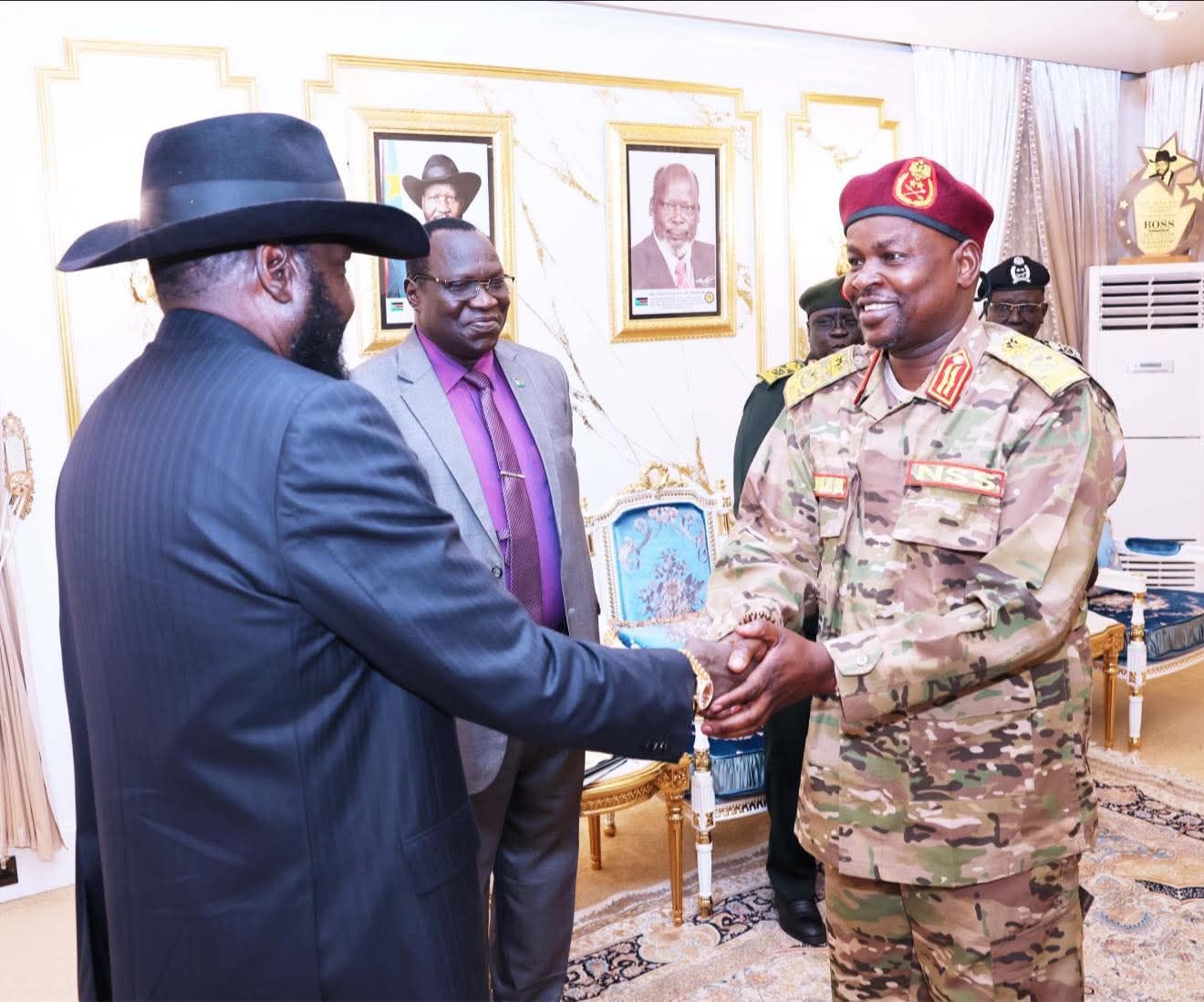
General to Private: Kiir Crushes Economic Vice President in South Sudan's $1.7 Billion Corruption Purge
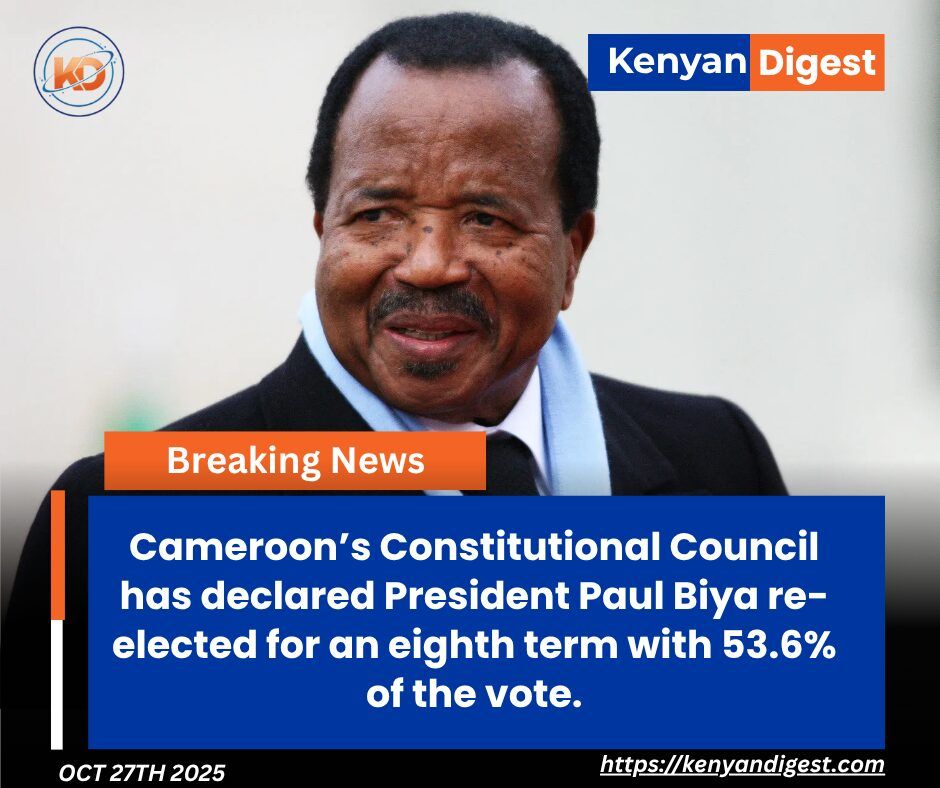
Paul Biya’s Re-Election: What Cameroon’s Political Longevity Reveals About Leadership and Governance in Africa
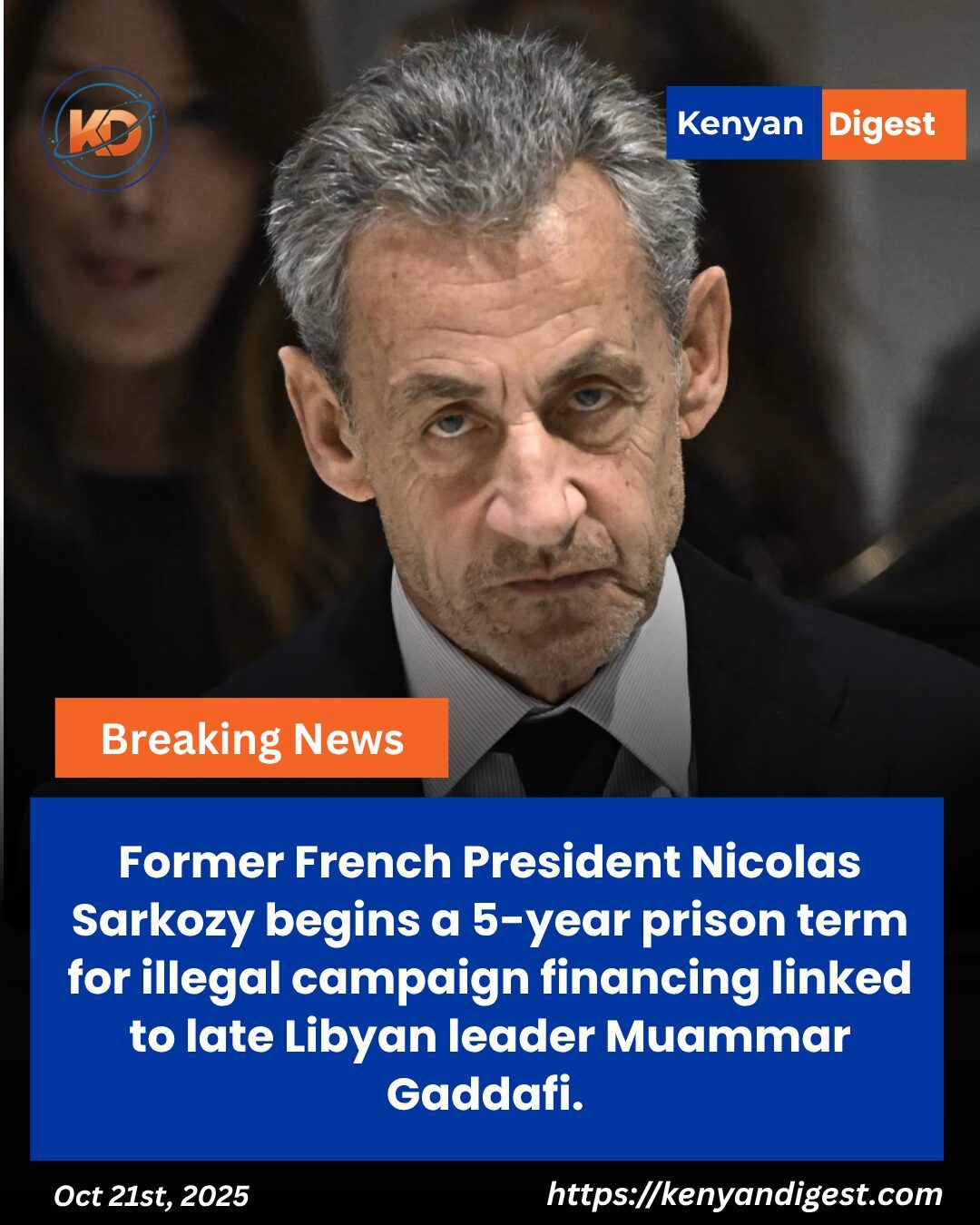
From Power to Prison: The Fall of France’s Former President Nicolas Sarkozy