In a stunning rebuke of Slovakia’s populist governing party, Zuzana Caputova — a 45-year-old lawyer, activist and political newcomer — was elected Saturday as the nation’s first female president.
Riding a wave of popular discontent over widespread corruption but refusing to engage in personal attacks on her opponents, she vowed to return a sense of decency to Slovakia’s often toxic political climate. Her sweeping victory in a runoff election gave hope to opposition parties across the region that the tide might be turning against the ethnic nationalist and populist movements that have swept to power in recent years.
“Maybe we thought that justice and fairness in politics were signs of weakness,” she told a crowd of supporters around midnight. “Today, we see that they are actually our strengths. We thought that the barrier between conservative and liberal is unbreakable, but we managed to do it.”
The country’s official statistics office said that with 100 percent of the vote counted, she led with 58 percent over 42 percent for Maros Sefcovic, a career diplomat who had the backing of the country’s governing party, SMER-SD.
“I’m sending her a bouquet of flowers because I think the first Slovak female president deserves one,” Mr. Sefcovic said as he conceded defeat.
Ms. Caputova had never run for office and said in a recent interview that she had not given the idea any serious consideration until last year.
But said she could no longer sit on the sidelines after a young Slovak journalist, Jan Kuciak, and his fiancée, Martina Kusnirova, were shot and killed by a hit man hired to stop Mr. Kuciak’s investigations of corruption at the top levels of government.
She joined the tens of thousands of Slovaks who took part in street demonstrations in the weeks after the killings, the largest protests since the Velvet Revolution three decades ago helped Czechoslovakia, now the Czech Republic and Slovakia, break free from Communist rule.
For many who protested last year, the populism of the governing party — with its unrelenting attacks on migrants and the European Union — had become little more than cover for corruption.
The organizers of the movement, however, deliberately excluded opposition politicians, wary of being tied to any political party.
Ms. Caputova decided to join Progressive Slovakia, a new liberal party with no representation in Parliament, and champion a few simple ideas: civility in public life and transparency in government.
Ms. Caputova said she would give up her party membership if elected, a clear signal to voters that she did not want to lead a new political machine.
“I don’t remember a situation when skilled politicians have been confronted by anyone who would speak as openly, directly and normally as Zuzana Caputova,” wrote Matus Kostolny, editor in chief of the Slovak daily Dennik N. He called Ms. Caputova an “error in the system, a change that we haven’t seen for 30 years.”
Ms. Caputova, a divorced mother of two teenage daughters, lives in Pezinok, a small town near Bratislava. Before her political rise, the town was known for two things: wine and the Pezinok landfill, a toxic dump.
In 1999, Ms. Caputova joined the fight to hold those responsible for polluting the town to account. For the next 14 years, she waged a war that she eventually won.
It was that battle that led some to call her the Erin Brockovich of Slovakia.
She said the case had given her insight into how institutions work and how they can be abused. It also prepared her for the kind of personal attacks she would endure throughout the campaign. Above all, it showed that things can get better.
“I am an optimist,” she said. “Someone who believes and hopes that change is possible.”
In 2016, when she went to San Francisco to accept the Goldman Environmental Prize for her activism, she said the Pezinok case had been “a lesson in bravery.”
“The case was an intense experience with the arrogance and vulgarity of political and economical power,” she said. “It was an experience with evil.”
She used the same message in the presidential race.
“Let’s fight evil together” was her campaign slogan. In an interview, she explained that “evil” referred not to individuals but to their actions.
One of the campaign’s first commercials showed Ms. Caputova facing an intimidating man in a cafe.
He asked: “So, do we have a deal?” To which Ms. Caputova answered a resolute “no.”
She was then asked if she was afraid. Again, she replied no, adding that she was not alone.
The commercial was given added power because the man bore an unmistakable resemblance to Marian Kocner, a businessman who is now charged with ordering the murder of Mr. Kuciak, as well as several financial crimes. He was also connected to the Pezinok landfill through his ties to a shell company responsible for the site.
Ms. Caputova has managed to express outrage without rage, calmly calling for transparency, decency and fairness in politics and in public life.
Her opponents — in both the general election and the runoff on Saturday — reached for issues that have worked well in the past to draw out their most ardent supporters. Migrants were called rapists. Gay men and lesbians were portrayed as a threat to traditional families.
Vast conspiracies, often playing into anti-Semitic tropes, were thrown into the toxic stew of rhetoric in a country that has seen a marked rise in extremist groups in recent years.
The final results were a victory for a different brand of politics. But the support enjoyed by Ms. Caputova’s most extreme challengers, including Marian Kotleba, an avowed proto-fascist, and Stefan Harabin, an anti-NATO Supreme Court judge — who together won more than 25 percent of the vote in the general election — was a reminder that the country remains deeply divided.
For her part, Ms. Caputova never shied from her more controversial liberal views, including support for gay rights.
Marian Lesko, a political analyst, said much work needed to be done to restore trust in public institutions but that he was hopeful.
“I don’t remember the last time anyone with this kind of agenda has won,” he said.
Related reporting
More World News →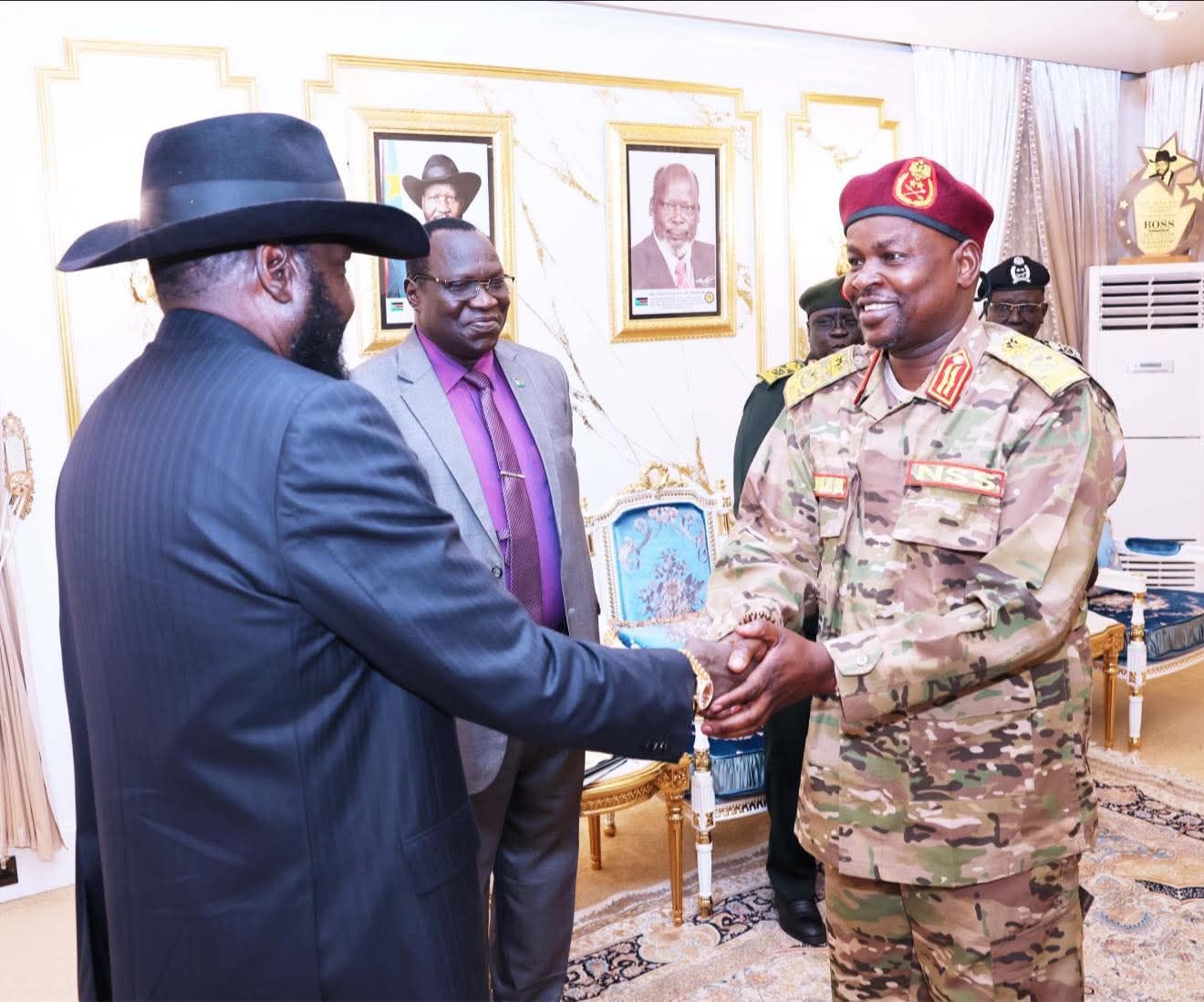
General to Private: Kiir Crushes Economic Vice President in South Sudan's $1.7 Billion Corruption Purge
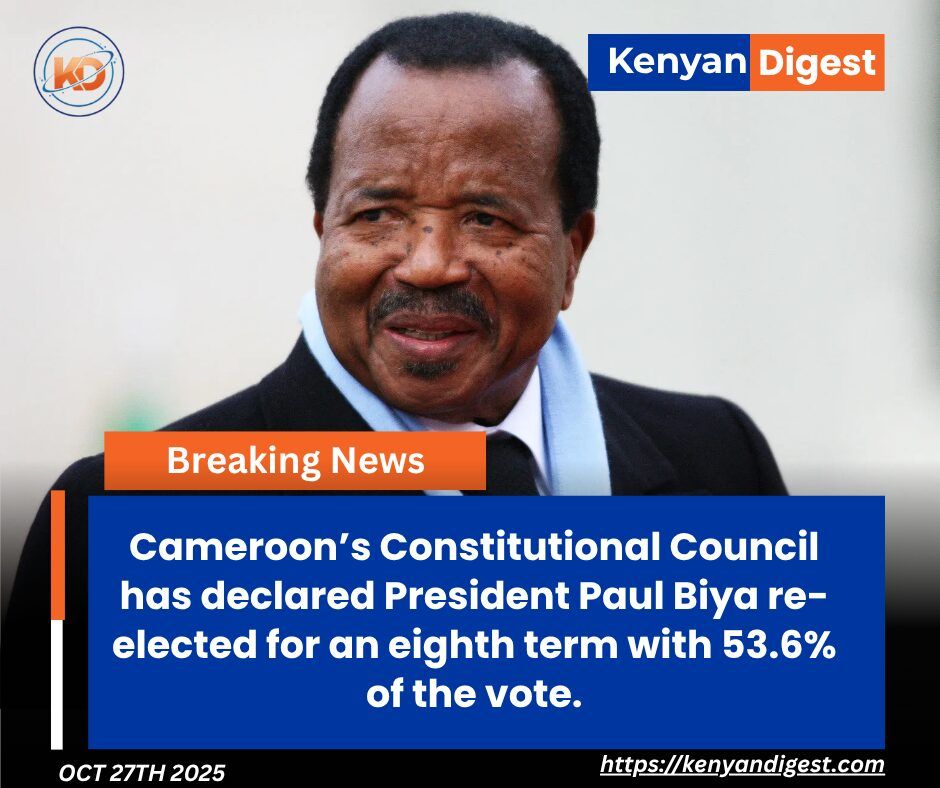
Paul Biya’s Re-Election: What Cameroon’s Political Longevity Reveals About Leadership and Governance in Africa
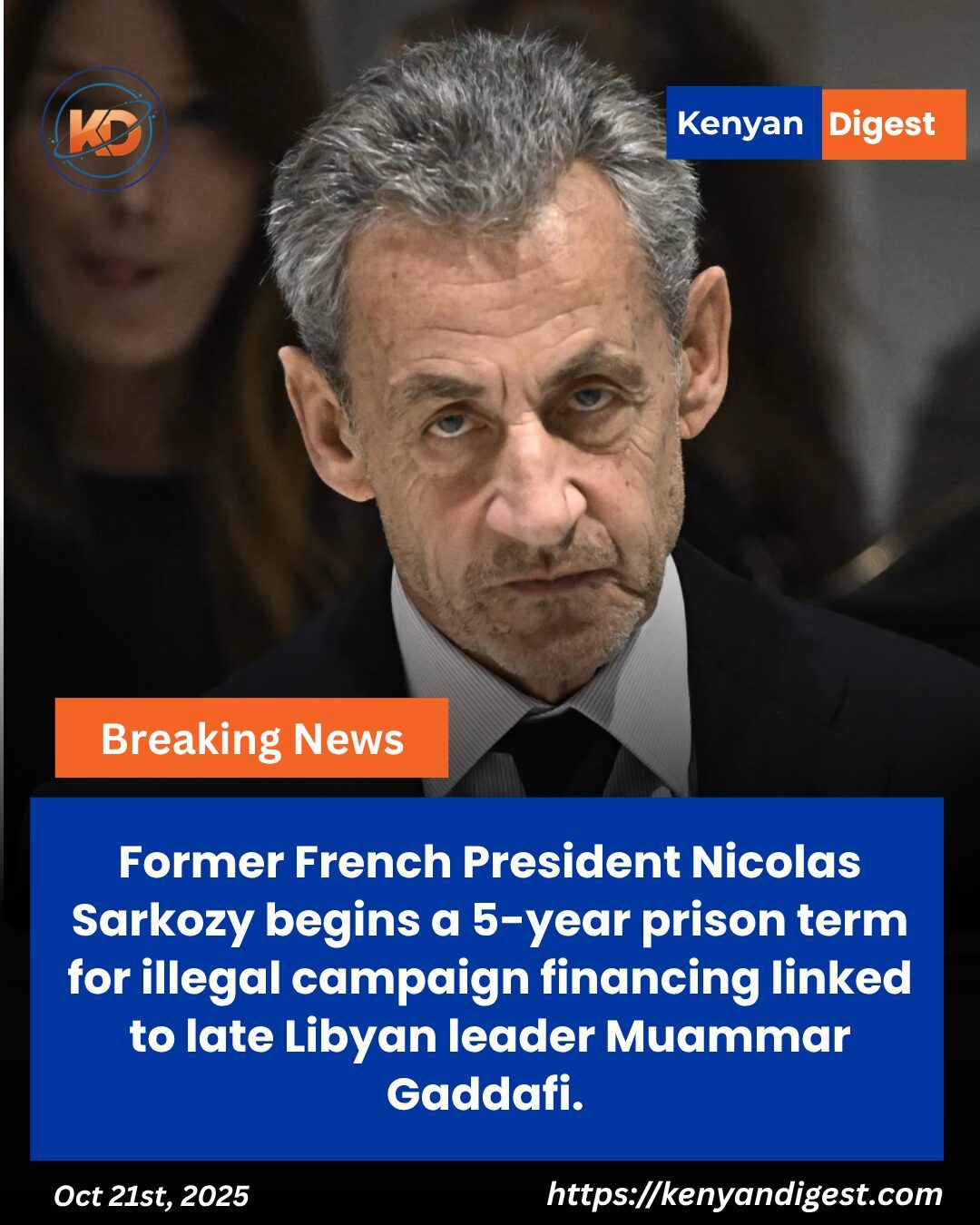
From Power to Prison: The Fall of France’s Former President Nicolas Sarkozy