“If you train cops like soldiers, dress them like soldiers and equip them like soldiers, you can’t be surprised that they act like soldiers, and that’s exactly what we’ve done,” said Mr. Shrewsberry, of the Institute for Criminal Justice Training Reform. The training imbalance, he said, reinforces a “thin blue line” police culture perpetuated in many departments by higher-ups and unions. “There’s just this constant reiteration that cops are in constant danger,” he said.
Systemic reform efforts are hindered by a lack of any centralized standards for the nation’s police departments, nearly half of which employ less than 10 officers, according to the Justice Department. Even though many departments provide additional training, those lessons only go so far.
Washington State is widely seen as having some of the country’s highest training standards, but the police force in its largest city, Seattle, has been under federal oversight since 2012 after an investigation found that excessive force was routinely used.
“Every police agency has a mission statement, but the culture is what is accepted by leadership on a day-to-day basis,” said Sean Hendrickson, an instructor at Washington State’s police academy. “That gets backed up by other officers and is extremely deep and very difficult to change.”
Becoming a police officer in Minneapolis requires first getting a peace officer license from the state, which entails as many as 1,050 hours of training.
Once recruits obtain their licenses, they have to go through additional training run by the Minneapolis Police Department that includes 19 weeks in the academy. The department has said it does not employ warrior-style training, and the city banned such training outright last year, but the union has offered to pay for officers to receive it from outside vendors.
After completing the academy, new officers spend five months on the streets with a field training officer, who is supposed to teach recruits how to translate what they learned in the academy to real-life situations. But that is not always the case. Current and former officers pointed to one of the first things that field training officers often say to new recruits:
“Forget everything you learned in the academy.”
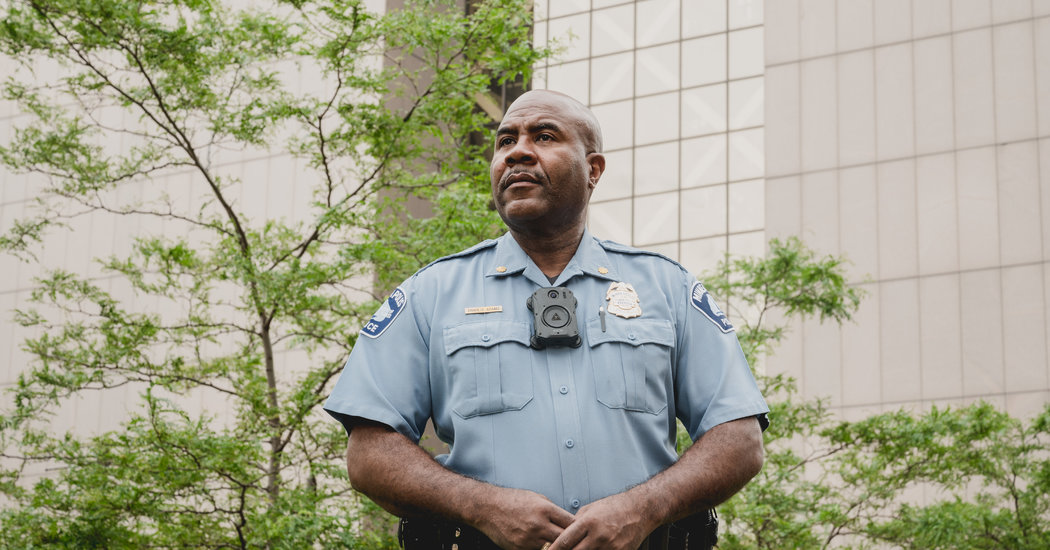
Chief Medaria Arradondo, who has been on the Minneapolis force since 1989, said he heard it when he was coming out of the academy. That attitude is much less prevalent now, he said, but is still a concern.
Related reporting
More World News →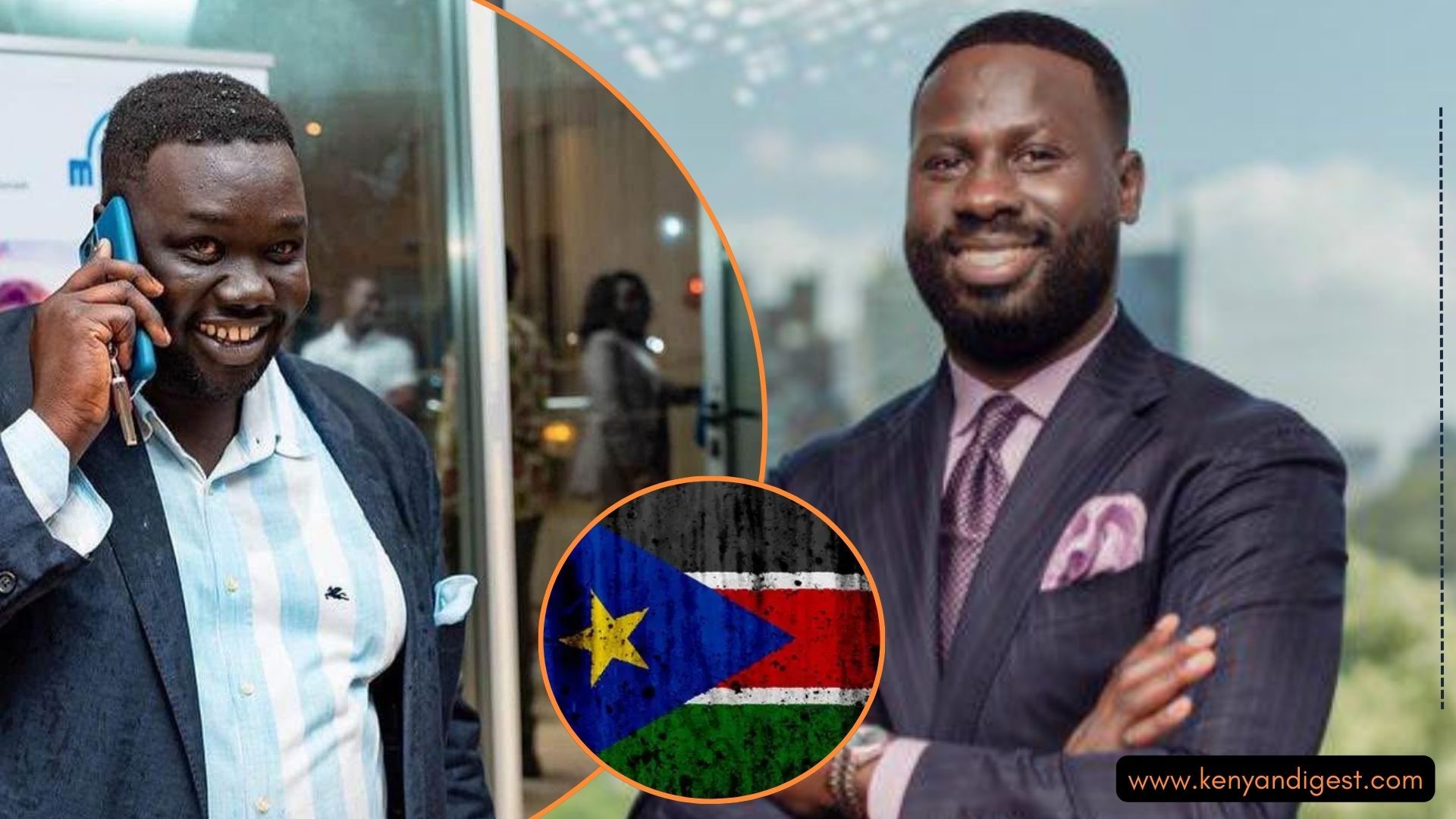
South Sudan’s Oil Looters: How Young Elite Gatekeepers Plunder Nation While Citizens Starve
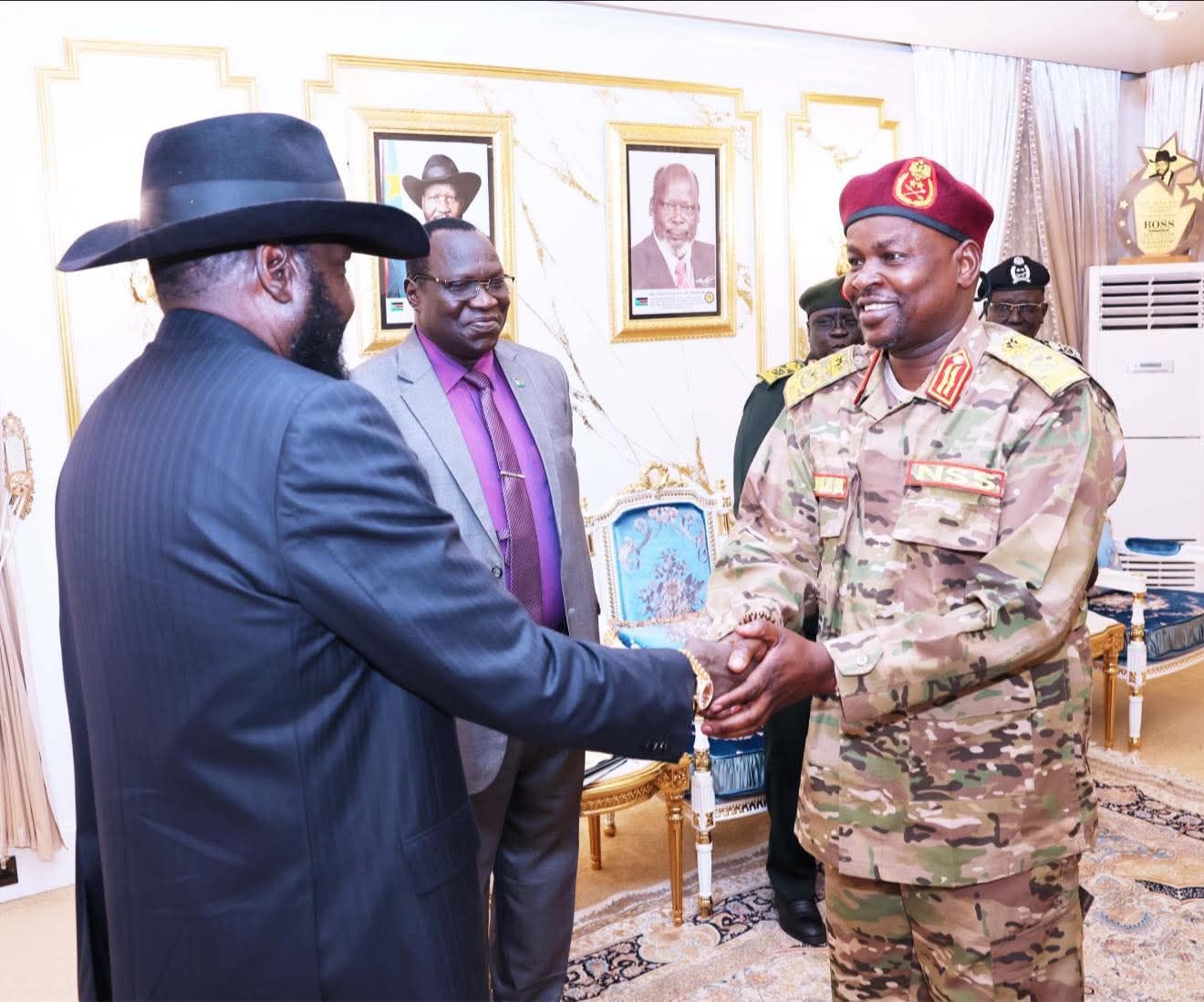
General to Private: Kiir Crushes Economic Vice President in South Sudan's $1.7 Billion Corruption Purge

Paul Biya’s Re-Election: What Cameroon’s Political Longevity Reveals About Leadership and Governance in Africa