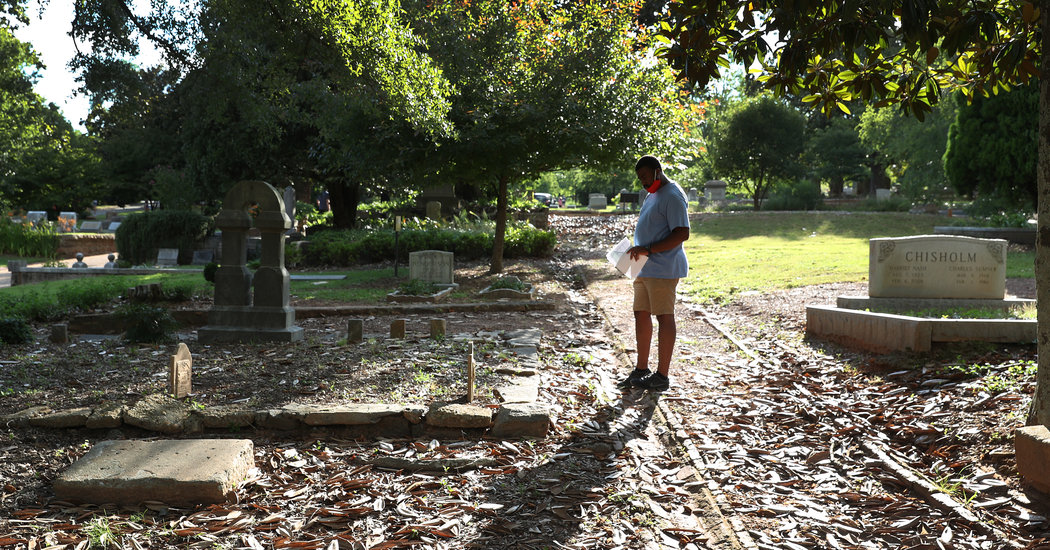
Millions observe Juneteenth, a holiday celebrating the end of slavery in the U.S.
Millions of Americans will observe Juneteenth like never before on Friday as the holiday, which is traditionally celebrated by African-Americans to mark the end of slavery in the country, has been propelled into the national spotlight.
Many corporate employees have Friday off, after Twitter, Nike, Target and other major companies added Juneteenth as a paid holiday this year. Capital One said its offices and bank branches would close early on Friday. And Virginia and New York said that Juneteenth would be a paid holiday for state employees.
The changes are the latest example of the impact of national protests over the police killings of George Floyd and other black Americans. The effects of the mass demonstrations have quickly spread across society, roiling institutions, prompting legal reforms and now formalizing Juneteenth as an official holiday recognized by a diverse swath of the country.
“This is unprecedented,” said Albert S. Broussard, a professor of history at the University of Texas A&M, who said his own employer was allowing nonessential employees to take Juneteenth as a paid holiday. “This moment in time has motivated people to react differently, to behave differently about this, and that’s a good thing.”
On June 19, 1865, Union soldiers arrived in Galveston, Texas, and read the announcement that all enslaved African-Americans were free, sharing the news more than two months after the South surrendered in the Civil War and more than two and a half years after Abraham Lincoln’s Emancipation Proclamation.
Black Texans began celebrating the holiday in 1866, though in recent decades has it gained prominence around the country. Typically celebrated with gatherings, parades, prayer, and foods like barbecue and strawberry soda, the holiday — a combination of its month and date — is widely considered African-Americans’ Independence Day.
“When they celebrated July 4, Independence Day, blacks weren’t free or independent,” said Donald Payton, a historian in Dallas who has studied and long celebrated the holiday. He said he was glad to see the holiday gaining momentum, but said corporations should do more than make what he described as surface-level changes.
“It’s got to be internalized,” he said.
Although the coronavirus has moved many events online this year, Juneteenth events are planned around the country on Friday, from park celebrations in Flint, Mich., to protests in New York City.
The Rev. Al Sharpton will headline a Juneteenth event in Tulsa, Okla., on Friday, a day before President Trump plans to host thousands of supporters at a downtown indoor rally in defiance of social distancing guidelines.
Mr. Sharpton, the civil rights leader who delivered a eulogy for George Floyd in Houston last week, is expected to speak in Tulsa’s Greenwood District, a historic black neighborhood and business district where up to 300 people were killed during a 1921 race massacre.
The city’s Juneteenth celebrations, titled “I, Too, Am America,” will take place less than a mile from the downtown arena where Mr. Trump plans to hold his rally on Saturday night. Some fear that the back-to-back events could bring decades of unresolved racial tensions in Tulsa barreling to the surface, just as the city grapples with a surge in coronavirus cases.
Tulsa — a politically mixed city that is 55 percent white, 16 percent Hispanic, 15 black and 4 percent Native American — has never fully come to grips with its history, a discomfort that has gained new urgency as the city approaches the centenary of the 1921 massacre. Mayor G.T. Bynum, a Republican, called for an excavation of a potential mass grave that will begin this summer, though he has said that he does not support reparations.
At the request of the Tulsa Police Department, Gov. Kevin Stitt, a Republican, activated at least 240 members of the National Guard for the weekend’s events, officials said, and residents are preparing for possible of protests.
“There’s a lot of fear on both sides about what’s going to happen,” said Charity Marcus, a founder of the Black Women Business Owners of America association, which is based in Tulsa. “And then the people in the middle who are like, ‘I just don’t want our city to be burned down.’”
Celebrating Juneteenth with traditions, community and education.
Kenneth Timmons, who works for a federal government agency in Houston, says the first thing he usually does before every Juneteenth is take the day off work. He usually invites friends over to cook and eat together.
“My co-workers know why I’m off — I tell them I don’t work Juneteenth,” said Mr. Timmons, 47. “I don’t work on my Independence Day.”
Born and raised in Lufkin, Texas, a town more than 100 miles northeast of Houston, Mr. Timmons remembers attending community Juneteenth celebrations as a child at which he would watch rodeo shows and pageants, eat barbecue and participate in calf chasing contests.
“Even though the United States celebrates July 4 as their independence, we were still considered slaves,” he said. “So for us, that is the day that our ancestors were finally released from servitude and slavery and could escape the South.”
For some, celebrating Juneteenth means shooting off fireworks, gathering at cookouts and sipping on red drinks, a tradition that symbolizes perseverance and honors the blood shed by black people. For others, it involves shopping only at black-owned businesses, sharing history or resting at home. This year, some will gather online for live video chats, which has become a norm in the coronavirus pandemic.
For their first real Juneteenth celebration, Taina Spicer, 26, and her girlfriend, Mikaela Berry, 24, plan to spend it resting and joining a Harlem Renaissance-themed online poetry reading hosted by Ms. Spicer’s sorority, Alpha Kappa Alpha.
Ms. Spicer, a visual artist in New Jersey, said it was a chance to take a break from their fight against injustice and focus on self-preservation.
“Your rest and recovery and celebration is revolutionary in itself, because that is what people don’t want you to do,” Ms. Spicer said. “They want you to be tired. They want you to be beaten down.”
As inequality persists, police culture can quickly overtake what officers learn in training.
As people across the United States celebrate Juneteenth on Friday, the issue of racial inequality remains at the forefront of national attention, including the police’s treatment of black people in America.
In Minneapolis, whose Police Department is grappling with its officers’ involvement in the killing of George Floyd, the department has been recruiting a new crop of trainees who will face the same challenge of every rookie: navigating the stark difference between what is preached at the academy and what is practiced on the street.
In the Minneapolis Police Academy, cadets are trained to be mindful of their biases, treat members of the public with respect and use force only when necessary. But then they enter station houses and squad cars with veteran officers who may view policing as an us-versus-them dynamic with a potential threat on every street corner.
Since Mr. Floyd’s death, the process of turning civilians into effective officers on the Minneapolis force has taken on added urgency and has raised questions of how to tell who might be capable of abusive policing, and also who might allow it to happen without intervening.
Those pushing for fundamental change in policing doubt whether enhanced training alone can overcome an entrenched culture of aggression that they feel is pervasive in the profession. They also question whether the basic requirements for getting a badge and a gun in the United States are sufficient.
It takes more than three years to become a police officer in countries like Finland and Norway, but in some states a person can complete basic training in as little as 11 weeks. Minneapolis is on the higher end of the scale, requiring more than a year of training before swearing in a new officer.
Reporting was contributed by Gina Cherelus, John Eligon, Dan Levin and Sarah Mervosh.
Related reporting
More World News →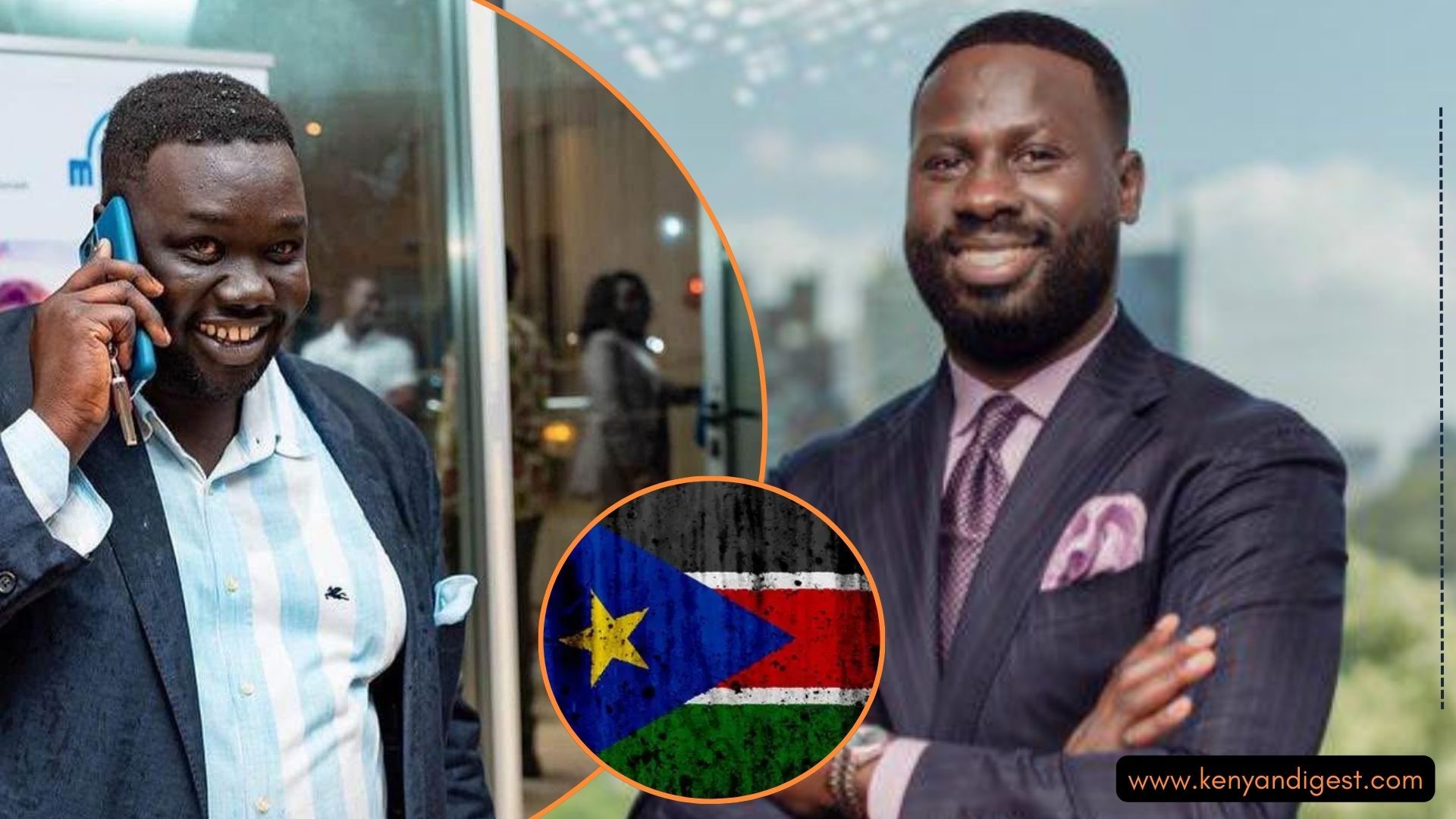
South Sudan’s Oil Looters: How Young Elite Gatekeepers Plunder Nation While Citizens Starve
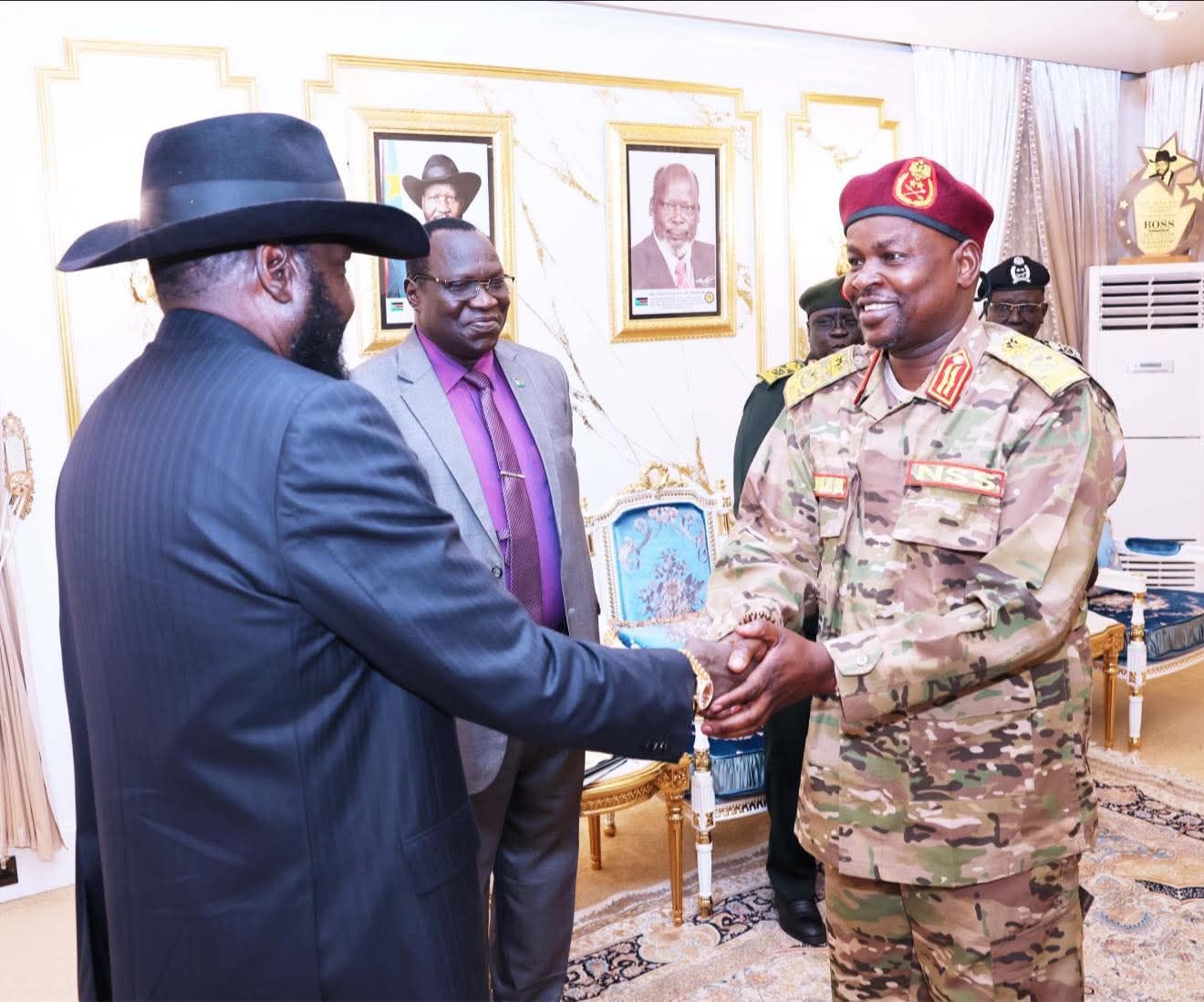
General to Private: Kiir Crushes Economic Vice President in South Sudan's $1.7 Billion Corruption Purge
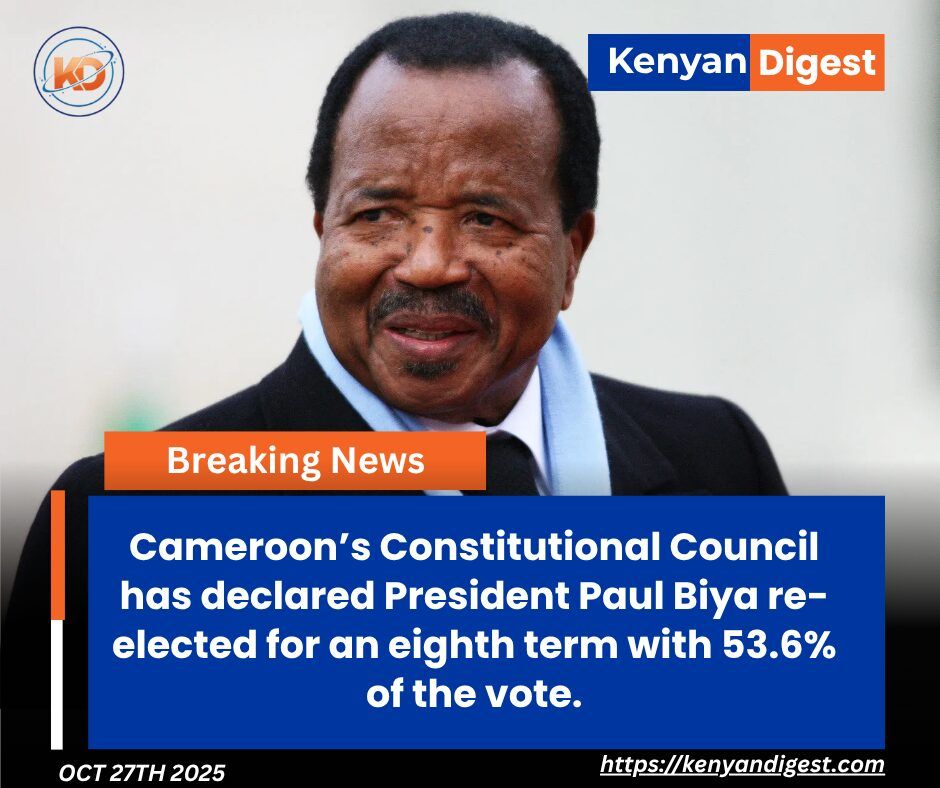
Paul Biya’s Re-Election: What Cameroon’s Political Longevity Reveals About Leadership and Governance in Africa